
AntibodySystem New Citations in July 2026
In July 2026, AntibodySystem products were featured in research published in leading journals, including iMeta, Science Advances, npj Biofilms and Microbiomes, Journal of Translational Medicine, International Journal of Molecular Medicine, and Biosensors and Bioelectronics. These studies span a broad range of research areas, including recurrent pregnancy loss, antithrombotic drug discovery, allergic airway inflammation, cell therapy for acute liver injury, diabetic vascular complications, extracellular vesicle detection, and influenza virus immune evasion.
This month's Citations Highlights features a selection of representative studies published in July that cite AntibodySystem products, demonstrating how our reagents continue to support innovative research and advance discoveries across the life sciences.
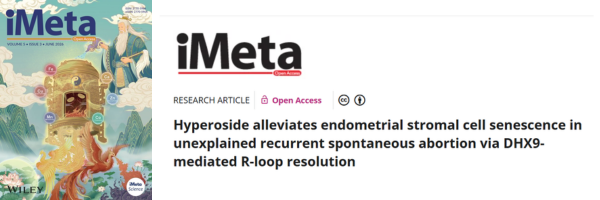
1. iMeta (Impact Factor: 44.4)
Product Cited
RGK60001 | Anti-DNA-RNA Hybrid Antibody (S9.6)

Application
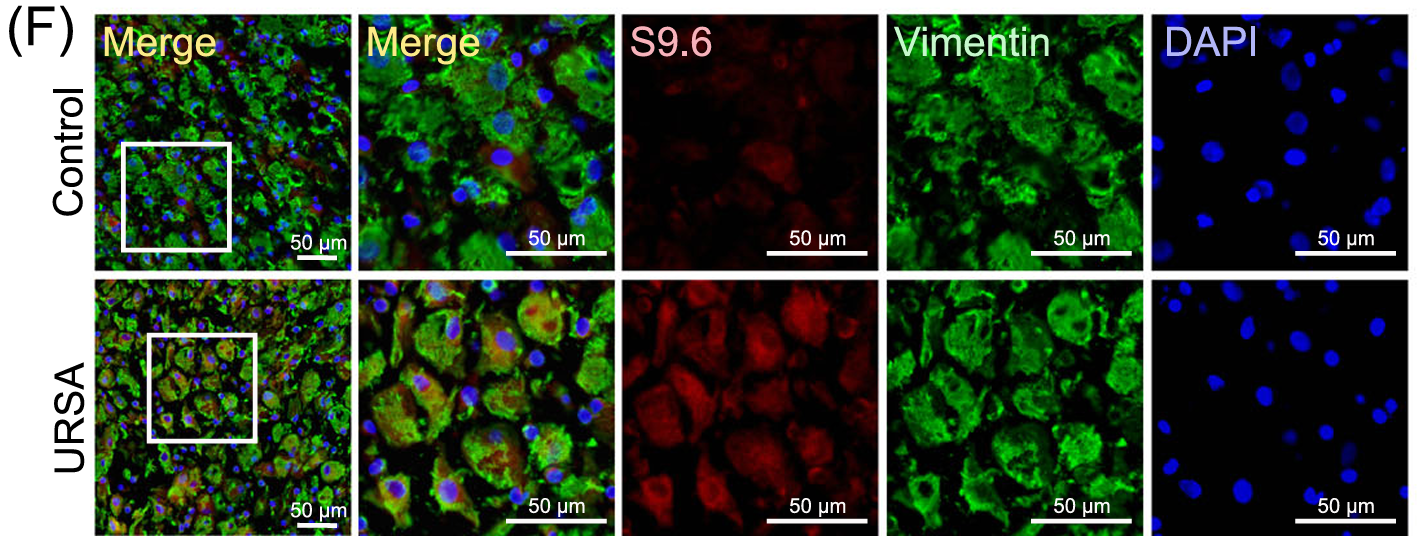
The Anti-DNA-RNA Hybrid Antibody (S9.6) (RGK60001) was used for immunofluorescence (IF) staining to detect R-loop accumulation in decidual tissues from patients with unexplained recurrent spontaneous abortion (URSA), decidual tissues from a URSA mouse model, and H₂O₂-induced senescent human endometrial stromal cells (T-hESCs). Dot blot analysis was also performed to semi-quantitatively assess R-loop levels in mouse decidual tissues.
Key Findings
The study showed that hyperoside enhances the helicase activity of DHX9 by targeting its Thr419 residue, promoting the resolution of pathological R-loops. This suppresses cGAS-STING-mediated endometrial stromal cell senescence, restores decidualization, and significantly reduces embryo resorption in a mouse model of URSA. These findings suggest a promising therapeutic strategy for recurrent pregnancy loss.
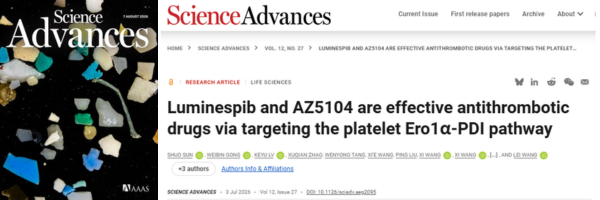
2. Science Advances (Impact Factor: 13.9)
Product Cited
RHB99201 | Anti-Human Fibrin Antibody (59D8)

Application
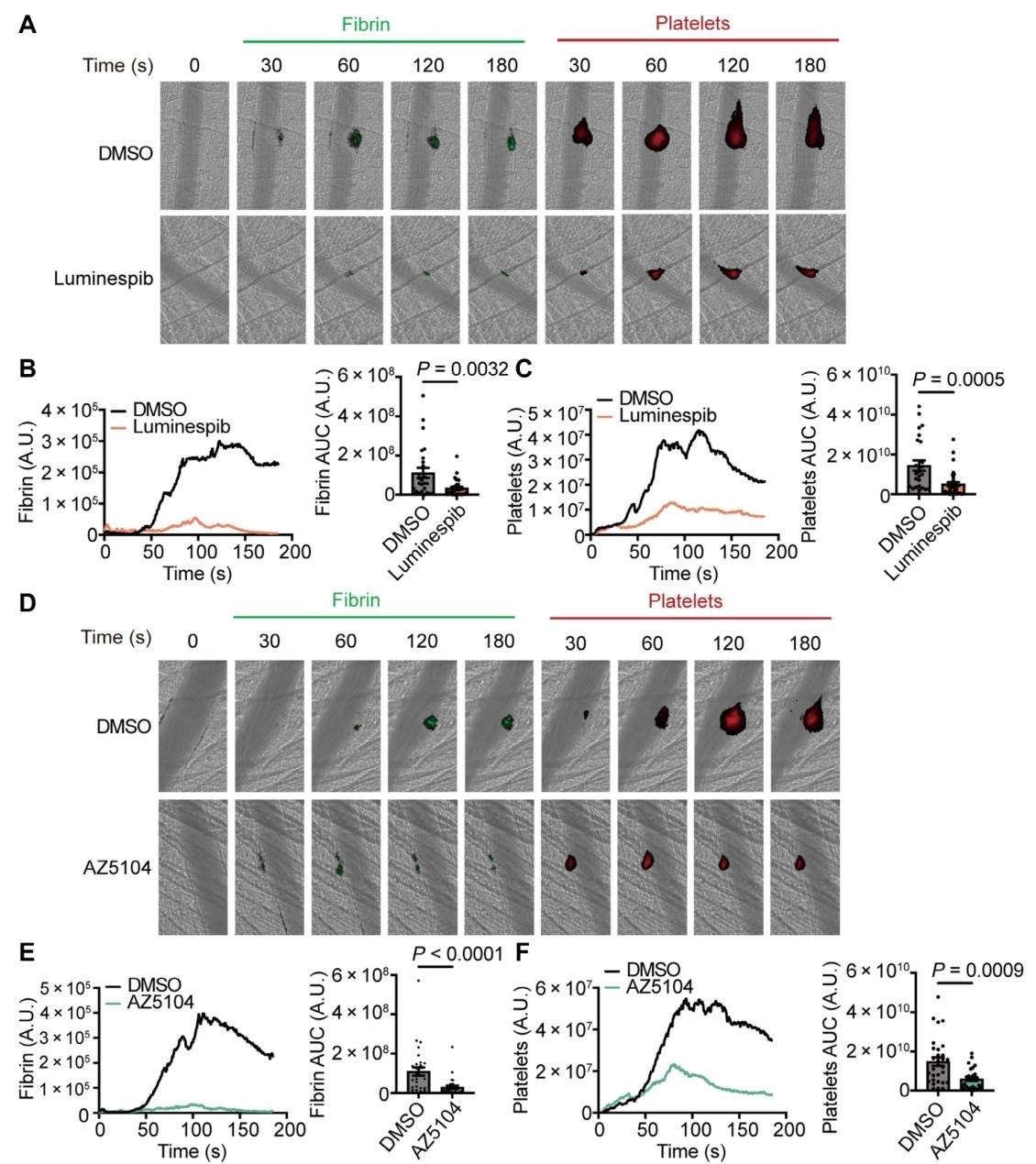
The Anti-Human Fibrin Antibody (59D8) was used for intravital fluorescence microscopy to visualize fibrin deposition in real time during thrombus formation in a laser-induced arterial injury mouse model.
Key Findings
The study identified the clinical-stage compounds Luminespib and AZ5104 as selective inhibitors of the platelet Ero1α-PDI interaction. By targeting the b′ domain of PDI, these compounds inhibit integrin activation and calcium signaling, effectively preventing thrombosis without increasing bleeding risk. The findings suggest a promising strategy for developing safer antithrombotic therapies.
3. npj Biofilms and Microbiomes (Impact Factor: 11.4)
Product Cited
RGK08101 | Anti-Hypusine Antibody (Hpu24)

Application
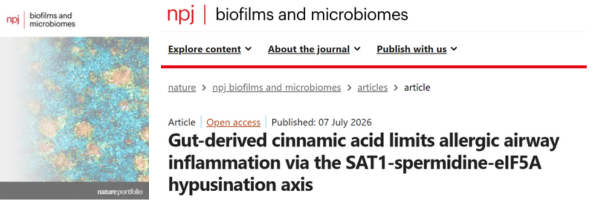
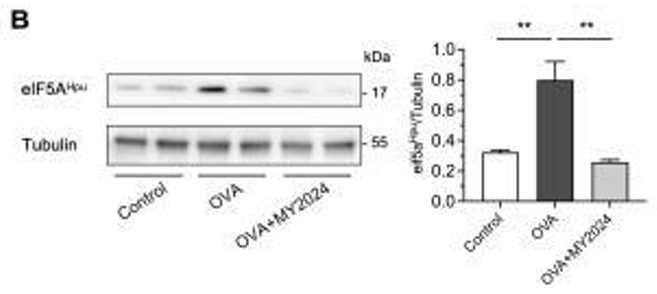
The Anti-eIF5A Hypusine Antibody (RGK08101) was used in Western blot analysis to monitor dynamic changes in eIF5A hypusination in mouse lung tissues.
Key Findings
Researchers showed that the probiotic Leuconostoc MY2024 suppresses allergic airway inflammation by producing intestinal cinnamic acid, which activates the STAT1-SAT1 signaling axis in colonic epithelial cells. This promotes systemic spermidine catabolism, reduces pulmonary eIF5A hypusination, and consequently inhibits M2 macrophage polarization and Th2-mediated airway inflammation. The study uncovers a previously unrecognized mechanism underlying probiotic-based therapy for asthma.
4. Journal of Translational Medicine (Impact Factor: 9.7)

Product Cited
VHK26801 | InVivoMAb Anti-Human/Mouse VSIG4/CRIg Antibody (Iv0141)

Application
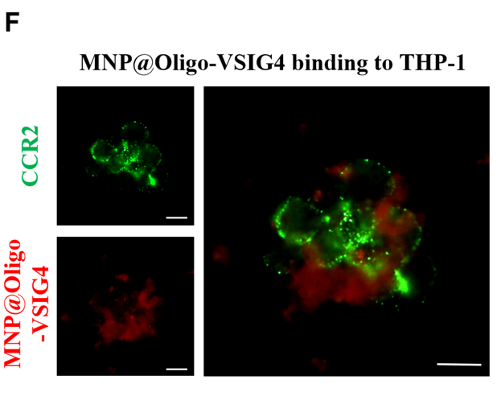
The InVivoMAb Anti-Human/Mouse VSIG4/CRIg Antibody (Iv0141) was used to construct a reversible immunomagnetic bead platform (MNP@Oligo-VSIG4) for the non-destructive isolation of VSIG4-positive macrophages, which were subsequently used in cell therapy studies.
Key Findings
The study demonstrated that VSIG4⁺ monocyte-derived macrophages alleviate acetaminophen (APAP)-induced acute liver injury by suppressing NF-κB-mediated CCL2 transcription, thereby disrupting the CCL2-CCR2 inflammatory amplification loop and reducing the recruitment of pro-inflammatory immune cells. This therapeutic mechanism was further validated in human liver organoid models, providing strong support for the clinical translation of macrophage-based therapies.
5. International Journal of Molecular Medicine (Impact Factor: 8.5)
Product Cited
RGK08101 | Anti-Hypusine Antibody (Hpu24)

Application
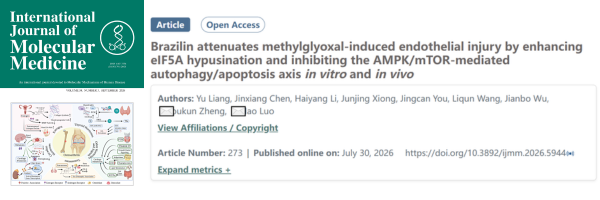
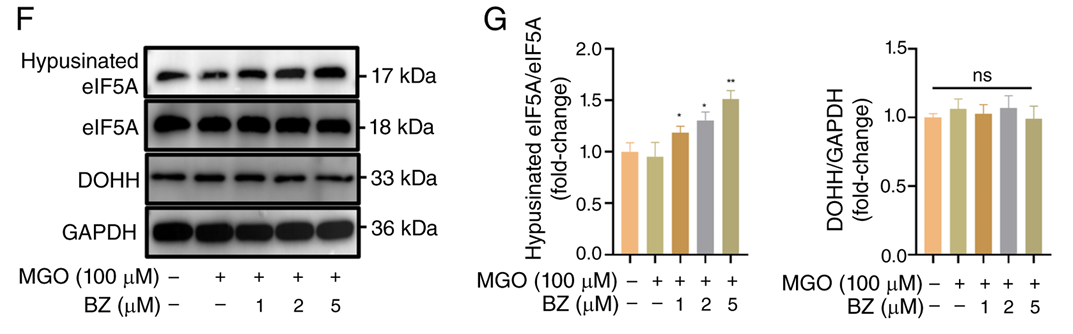
The Anti-Hypusine Antibody (RGK08101) was used in Western blot analysis to evaluate changes in eIF5A hypusination in vascular endothelial cells.
Key Findings
The study found that brazilin activates DOHH, thereby enhancing eIF5A hypusination and suppressing the AMPK/mTOR signaling pathway. As a result, vascular endothelial cells were protected against methylglyoxal (MGO)-induced autophagy and apoptosis. These findings identify the DOHH/eIF5A-AMPK/mTOR signaling axis as a key mechanism underlying diabetic vascular complications and highlight its potential as a therapeutic target.
6. Talanta (Impact Factor: 6.7)
Product Cited
RHD48802 | Anti-Human CD9 Nanobody (SAA0905)

Application
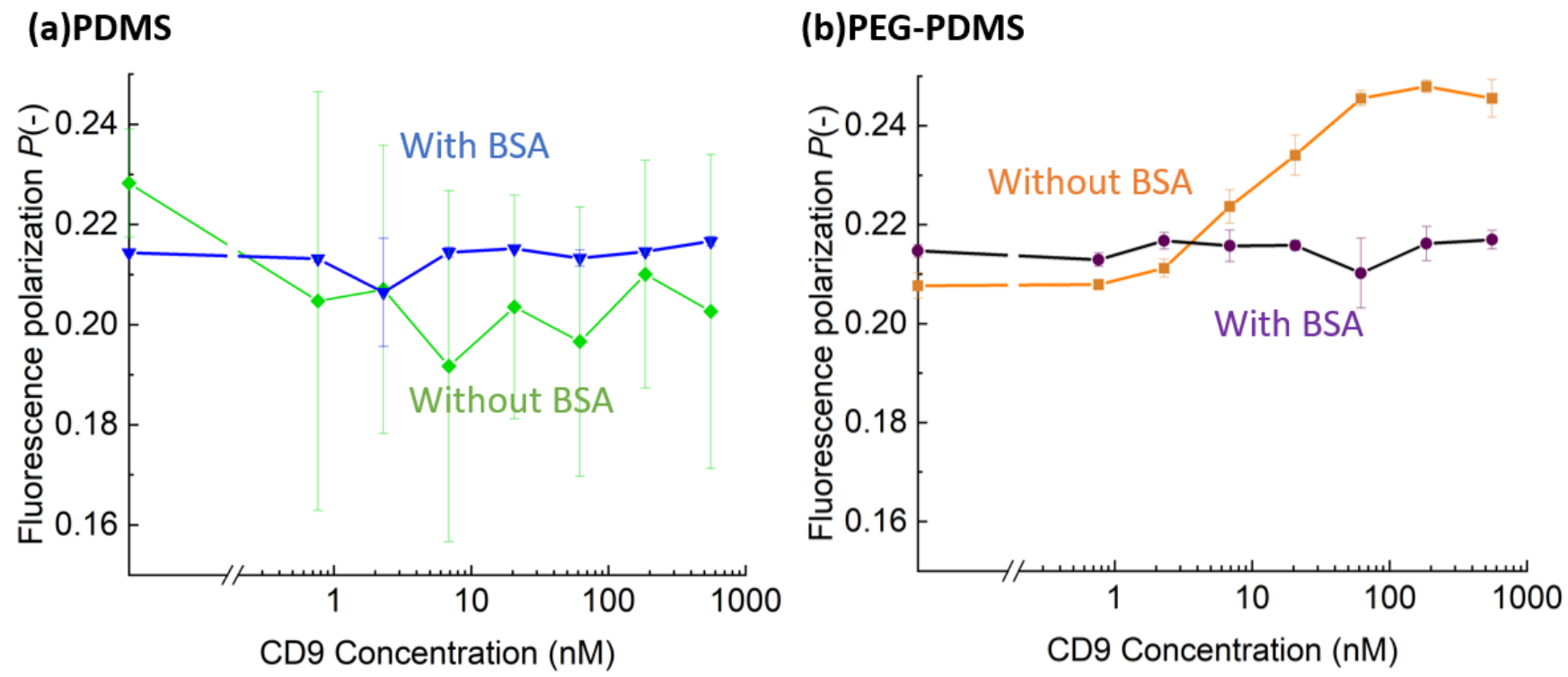
The Anti-Human CD9 Nanobody was labeled with the fluorescent dye CF647 to generate a tracer for use in a non-competitive fluorescence polarization immunoassay (NC-FPIA), enabling quantitative detection of extracellular vesicles (EVs) in whole blood.
Key Findings
Researchers developed a homogeneous EV detection platform by integrating fluorescence polarization immunoassay with a PEG-modified PDMS microfluidic chip. The assay enables direct quantification of whole-blood EVs without washing steps and achieves a detection limit of 5.0 × 10⁷ particles/mL. This streamlined approach provides a promising solution for point-of-care extracellular vesicle analysis.
7. bioRxiv
Product Cited
DVV03807 | Research Grade Anti-Influenza A Virus HA/Hemagglutinin Broad-Neutralizing Antibody (CR9114)

Application
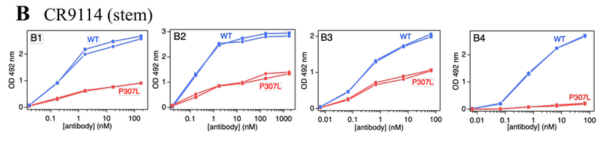
The Research Grade Anti-Influenza A Virus HA/Hemagglutinin Broad-Neutralizing Antibody (CR9114) (DVV03807) was used as a reference broadly neutralizing antibody in ELISA to compare its binding affinity for wild-type and P307L mutant hemagglutinin proteins.
Key Findings
The study revealed that the most common transcriptional error generated during influenza virus mRNA synthesis results in the P307L amino acid substitution. Located within the hemagglutinin stem region, this mutation markedly reduces the binding of broadly neutralizing antibodies, including CR9114 and FI6v3. These findings uncover a previously unrecognized mechanism of viral immune evasion driven by transcriptional errors and provide new insight into the ongoing evolutionary interplay between influenza viruses and the host immune system.
About AntibodySystem
AntibodySystem provides researchers worldwide with high-quality, highly specific antibodies for a broad range of life science applications. Our portfolio includes reagents targeting viral proteins, cytokines, signaling molecules, post-translational modifications, and many other research areas. Whether your research involves ELISA, Western blotting, immunofluorescence, flow cytometry, or intravital imaging, AntibodySystem products deliver the performance, consistency, and reliability required for reproducible research and scientific discovery.


