Catalog No.
RHE35401
Species reactivity
Human, Mouse
Host species
Rabbit
Isotype
IgG
Clonality
Monoclonal
Applications
IHC, WB
Recommended Dilution
| Application |
Dilution |
| IHC |
1:50-1:100, WB: 1:500-1:1000 |
Target
RAFT1, Rapamycin target protein 1, Mechanistic target of rapamycin, FRAP, FKBP12-rapamycin complex-associated protein, mTOR, FRAP1, FK506-binding protein 12-rapamycin complex-associated protein 1, Rapamycin and FKBP12 target 1, FRAP2, RAPT1, Serine/threonine-protein kinase mTOR, Mammalian target of rapamycin, MTOR
Concentration
1 mg/ml
Endotoxin level
Please contact with the lab for this information.
Purity
>95% by SDS-PAGE.
Purification
Protein A/G purified from cell culture supernatant.
Accession
P42345
Form
Liquid
Storage buffer
0.01M PBS, pH 7.4, 0.05% BSA, 50% Glycerol, 0.05% Sodium azide.
Stability and Storage
Use a manual defrost freezer and avoid repeated freeze thaw cycles. Store at 4 ℃ for frequent use. Store at -20 ℃ for twelve months from the date of receipt.
Clone ID
R1W17
Note
For research use only.
AKT and mTOR phosphorylation is frequently detected in ovarian cancer and can be targeted to disrupt ovarian tumor cell growth., PMID:15208673
Activation of mammalian target of rapamycin in postmenopausal ovarian endometriosis., PMID:16884363
Melanocortin-4 receptor activation promotes insulin-stimulated mTOR signaling., PMID:20603172
The mammalian target of rapamycin pathway is widely activated without PTEN deletion in renal cell carcinoma metastases., PMID:20830770
Analysis of PI3K/AKT/mTOR signalling pathway in high risk neuroblastic tumours., PMID:21290341
Mitotic lymphoma cells are characterized by high expression of phosphorylated ribosomal S6 protein., PMID:21424608
Mammalian target of rapamycin pathway activation is associated to RET mutation status in medullary thyroid carcinoma., PMID:21543427
Intracellular signaling pathways and size, shape, and rupture history of human intracranial aneurysms., PMID:22278358
AKT/mTOR and c-Jun N-terminal kinase signaling pathways are required for chrysotile asbestos-induced autophagy., PMID:24735948
Methods to identify molecular expression of mTOR pathway: a rationale approach to stratify patients affected by clear cell renal cell carcinoma for more likely response to mTOR inhibitors., PMID:25520878
Expression of Mammalian Target of Rapamycin and Downstream Targets in Normal and Gestational Diabetic Human Term Placenta., PMID:26335179
Decreased expression of B7-H3 reduces the glycolytic capacity and sensitizes breast cancer cells to AKT/mTOR inhibitors., PMID:26771843
MYC copy gain, chromosomal instability and PI3K activation as potential markers of unfavourable outcome in trastuzumab-treated patients with metastatic breast cancer., PMID:27184134
CNS germinomas are characterized by global demethylation, chromosomal instability and mutational activation of the Kit-, Ras/Raf/Erk- and Akt-pathways., PMID:27391150
Impact of mTOR expression on clinical outcome in paediatric patients with B-cell acute lymphoblastic leukaemia - preliminary report., PMID:27688725
A blockade of PD-L1 produced antitumor and antimetastatic effects in an orthotopic mouse pancreatic cancer model via the PI3K/Akt/mTOR signaling pathway., PMID:28442920
EGFR and AKT1 overexpression are mutually exclusive and associated with a poor survival in resected gastric adenocarcinomas., PMID:29278885
Long-term treatment with anti-VEGF does not induce cell aging in primary retinal pigment epithelium., PMID:29522724
Differential expression of mTOR signaling pathway proteins in lichen planopilaris and frontal fibrosing alopecia., PMID:30278995
CD71+VISTA+ erythroid cells promote the development and function of regulatory T cells through TGF-β., PMID:30550561
Longitudinal heterogeneity in glioblastoma: moving targets in recurrent versus primary tumors., PMID:30894200
Yokukansan, a Kampo medicine, enhances the level of neuronal lineage markers in differentiated P19 embryonic carcinoma cells., PMID:31692643
The inhibition of MARK2 suppresses cisplatin resistance of osteosarcoma stem cells by regulating DNA damage and repair., PMID:32368441
Impaired Autophagy Induced by oxLDL/β2GPI/anti-β2GPI Complex through PI3K/AKT/mTOR and eNOS Signaling Pathways Contributes to Endothelial Cell Dysfunction., PMID:34221236
Extensive genotype-phenotype heterogeneity in renal cell carcinoma - a proof-of-concept study., PMID:40352587

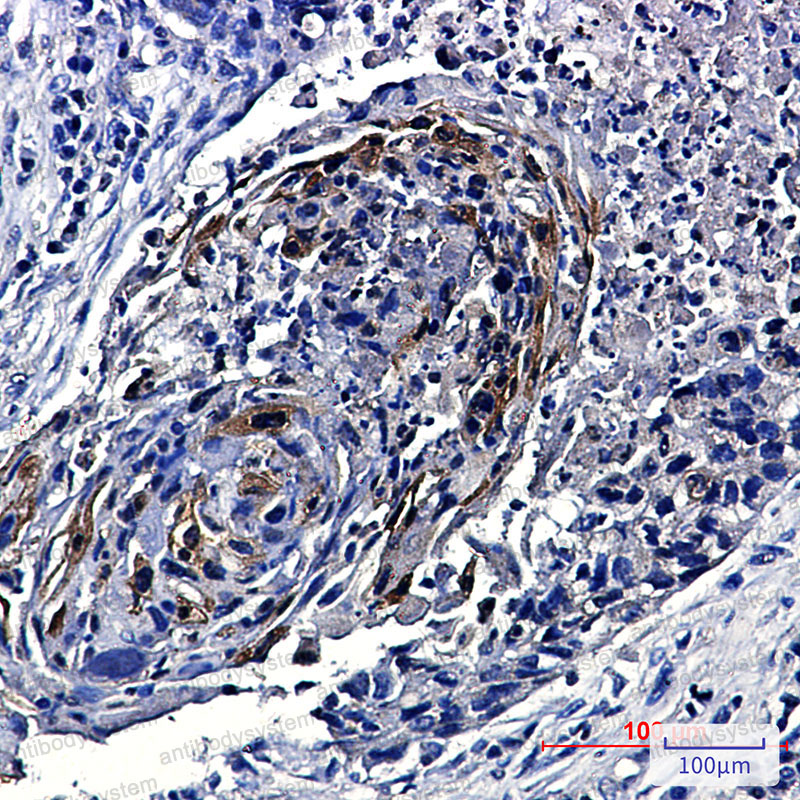
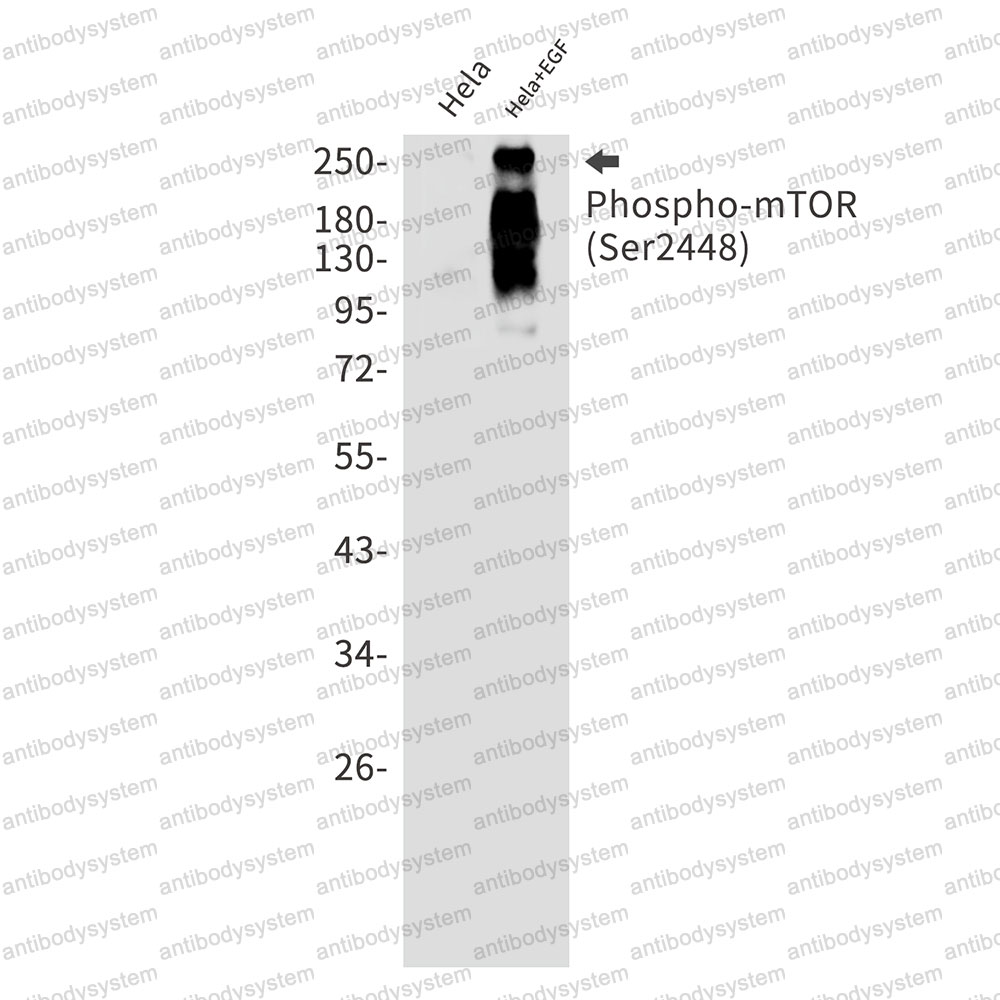
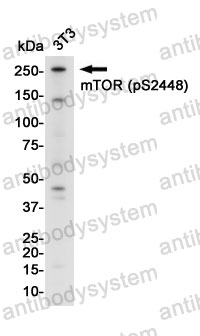
 For research use only. Not for human or drug use.


