Protein profiling of paraquat-exposed rat lungs following treatment with Acai (Euterpe oleracea Mart.) berry extract., PMID:23291665
Somatic second-hit mutations leads to polycystic liver diseases., PMID:23326178
Hepatocystin/80K-H inhibits replication of hepatitis B virus through interaction with HBx protein in hepatoma cell., PMID:23644164
The zebrafish as a model to study polycystic liver disease., PMID:23668934
Polycystic liver disease: ductal plate malformation and the primary cilium., PMID:24506938
Whole-exome sequencing reveals LRP5 mutations and canonical Wnt signaling associated with hepatic cystogenesis., PMID:24706814
N-glycosylation determines the abundance of the transient receptor potential channel TRPP2., PMID:24719335
Hepatocystin contributes to interferon-mediated antiviral response to hepatitis B virus by regulating hepatocyte nuclear factor 4α., PMID:24769044
Sec63 and Xbp1 regulate IRE1α activity and polycystic disease severity., PMID:25844898
Severe Polycystic Liver Disease Is Not Caused by Large Deletions of the PRKCSH Gene., PMID:26365003
Hepatocystin is Essential for TRPM7 Function During Early Embryogenesis., PMID:26671672
Mutations in GANAB, Encoding the Glucosidase IIα Subunit, Cause Autosomal-Dominant Polycystic Kidney and Liver Disease., PMID:27259053
Chromosomal abnormalities in hepatic cysts point to novel polycystic liver disease genes., PMID:27552964
Differential sensitivity of hepatocellular carcinoma cells to suppression of hepatocystin transcription under hypoxic conditions., PMID:27640193
Isolated polycystic liver disease genes define effectors of polycystin-1 function., PMID:28375157
Genetics and mechanisms of hepatic cystogenesis., PMID:28782656
Steviol stabilizes polycystin 1 expression and promotes lysosomal degradation of CFTR and β-catenin proteins in renal epithelial cells., PMID:28802235
Isolated polycystic liver disease genes define effectors of polycystin-1 function., PMID:28862642
Glucosidase II beta subunit (GluIIβ) plays a role in autophagy and apoptosis regulation in lung carcinoma cells in a p53-dependent manner., PMID:28929344
Liver cyst gene knockout in cholangiocytes inhibits cilium formation and Wnt signaling., PMID:28973524
Genetic Complexity of Autosomal Dominant Polycystic Kidney and Liver Diseases., PMID:29038287
The mitochondrial uncoupling protein 2 gene is causal for the spontaneous polycystic liver diseases in mice., PMID:29154852
Prevalence Estimates of Polycystic Kidney and Liver Disease by Population Sequencing., PMID:30135240
Odd skipped-related 1 (Osr1) identifies muscle-interstitial fibro-adipogenic progenitors (FAPs) activated by acute injury., PMID:30149291
An in vitro model of polycystic liver disease using genome-edited human inducible pluripotent stem cells., PMID:30172093
Genetics of polycystic liver diseases., PMID:30652979
PRKCSH contributes to tumorigenesis by selective boosting of IRE1 signaling pathway., PMID:31320625
Gene Panel Analysis in a Large Cohort of Patients With Autosomal Dominant Polycystic Kidney Disease Allows the Identification of 80 Potentially Causative Novel Variants and the Characterization of a Complex Genetic Architecture in a Subset of Families., PMID:32457805
Insights into Autosomal Dominant Polycystic Kidney Disease from Genetic Studies., PMID:32690722
Intermittent fasting from dawn to sunset for four consecutive weeks induces anticancer serum proteome response and improves metabolic syndrome., PMID:33110154
Genomic diagnostics in polycystic kidney disease: an assessment of real-world use of whole-genome sequencing., PMID:33437033
Dermatan Sulfate Is a Potential Regulator of IgH via Interactions With Pre-BCR, GTF2I, and BiP ER Complex in Pre-B Lymphoblasts., PMID:34113352
Autophagy-mediated reduction of miR-345 contributes to hepatic cystogenesis in polycystic liver disease., PMID:34568801
CircPrkcsh, a circular RNA, contributes to the polarization of microglia towards the M1 phenotype induced by spinal cord injury and acts via the JNK/p38 MAPK pathway., PMID:34751973
An Integrated Proteomics and Bioinformatics Analysis of the Anticancer Properties of RT2 Antimicrobial Peptide on Human Colon Cancer (Caco-2) Cells., PMID:35209215
Potential role of PRKCSH in lung cancer: bioinformatics analysis and a case study of Nano ZnO., PMID:35254362
GANAB and N-Glycans Substrates Are Relevant in Human Physiology, Polycystic Pathology and Multiple Sclerosis: A Review., PMID:35806376
Exome Sequencing of a Clinical Population for Autosomal Dominant Polycystic Kidney Disease., PMID:36573973
Heterozygosity of ALG9 in Association with Autosomal Dominant Polycystic Liver Disease., PMID:37761895
Proteomic Analyses of the G Protein-Coupled Estrogen Receptor GPER1 Reveal Constitutive Links to Endoplasmic Reticulum, Glycosylation, Trafficking, and Calcium Signaling., PMID:37947649
Sex, Genotype, and Liver Volume Progression as Risk of Hospitalization Determinants in Autosomal Dominant Polycystic Liver Disease., PMID:38101549
PRKCSH contributes to TNFSF resistance by extending IGF1R half-life and activation in lung cancer., PMID:38200153
PRKCSH serves as a potential immunological and prognostic biomarker in pan-cancer., PMID:38245572
Transcriptomic analysis of glucosidase II beta subunit (GluIIß) knockout A549 cells reveals its roles in regulation of cell adhesion molecules (CAMs) and anti-tumor immunity., PMID:38245670
Navigating PRKCSH's impact on cancer: from N-linked glycosylation to death pathway and anti-tumor immunity., PMID:38571496
Clinical manifestation, epidemiology, genetic basis, potential molecular targets, and current treatment of polycystic liver disease., PMID:38671465
Meta-Analysis and DIA-MS-Based Proteomic Investigation of COPD Patients and Asymptomatic Smokers in the Indian Population., PMID:39436829
Quantitative proteomics reveals the mechanism of endoplasmic reticulum stress-mediated pulmonary fibrosis in mice., PMID:39640640
Integrated analyses of Mendelian randomization, eQTL, and single-cell transcriptome identify CCN3 as a potential biomarker in aortic dissection., PMID:39738466
PRKCSH enhances colorectal cancer radioresistance via IRE1α/XBP1s-mediated DNA repair., PMID:40189587
Mutations in SEC63 cause autosomal dominant polycystic liver disease. PMID: 15133510
Whole-exome sequencing reveals LRP5 mutations and canonical Wnt signaling associated with hepatic cystogenesis. PMID: 24706814
Differential sensitivity of hepatocellular carcinoma cells to suppression of hepatocystin transcription under hypoxic conditions. PMID: 27640193
Short-hairpin RNA library: identification of therapeutic partners for gefitinib-resistant non-small cell lung cancer. PMID: 25528770
TRIM67 protein negatively regulates Ras activity through degradation of 80K-H and induces neuritogenesis. PMID: 22337885
Association of a novel PKHD1 mutation in a family with autosomal dominant polycystic liver disease. PMID: 33569422
An Integrated Proteomics and Bioinformatics Analysis of the Anticancer Properties of RT2 Antimicrobial Peptide on Human Colon Cancer (Caco-2) Cells. PMID: 35209215
Deficiency of hepatocystin induces autophagy through an mTOR-dependent pathway. PMID: 21681021
Chromosomal abnormalities in hepatic cysts point to novel polycystic liver disease genes. PMID: 27552964
Sec63 and Xbp1 regulate IRE1α activity and polycystic disease severity. PMID: 25844898
Somatic second-hit mutations leads to polycystic liver diseases. PMID: 23326178
Prevalence Estimates of Polycystic Kidney and Liver Disease by Population Sequencing. PMID: 30135240
The mitochondrial uncoupling protein 2 gene is causal for the spontaneous polycystic liver diseases in mice. PMID: 29154852
Odd skipped-related 1 (Osr1) identifies muscle-interstitial fibro-adipogenic progenitors (FAPs) activated by acute injury. PMID: 30149291
Prognosis related miRNAs, DNA methylation, and epigenetic interactions in lung adenocarcinoma. PMID: 30868896
Autophagy-mediated reduction of miR-345 contributes to hepatic cystogenesis in polycystic liver disease. PMID: 34568801
A genetic interaction network of five genes for human polycystic kidney and liver diseases defines polycystin-1 as the central determinant of cyst formation. PMID: 21685914
Modelling polycystic liver disease progression using age-adjusted liver volumes and targeted mutational analysis. PMID: 36246085
Toward an integrated map of genetic interactions in cancer cells. PMID: 29467179
The novel and specific Rho-kinase inhibitor (S)-(+)-2-methyl-1-[(4-methyl-5-isoquinoline)sulfonyl]-homopiperazine as a probing molecule for Rho-kinase-involved pathway. PMID: 12191614
Mutations in GANAB, Encoding the Glucosidase IIα Subunit, Cause Autosomal-Dominant Polycystic Kidney and Liver Disease. PMID: 27259053
N-glycosylation determines the abundance of the transient receptor potential channel TRPP2. PMID: 24719335
TRPV5 and TRPV6 in Ca(2+) (re)absorption: regulating Ca(2+) entry at the gate. PMID: 16044309
Molecular basis of lithium action: integration of lithium-responsive signaling and gene expression networks. PMID: 12610644
[From gene to disease; hepatocystin and autosomal dominant polycystic liver disease]. PMID: 12894465
The current understanding of lamotrigine as a mood stabilizer. PMID: 15291656
What the similarities of specific polycystic liver and kidney diseases can teach us about both. PMID: 18778002
[Cystic liver diseases. Genetics and cell biology]. PMID: 16294159
Polycystic liver disease is a disorder of cotranslational protein processing. PMID: 15649821
Polycystic liver disease: an overview of pathogenesis, clinical manifestations and management. PMID: 24886261
The zebrafish as a model to study polycystic liver disease. PMID: 23668934
Pathways that control cortical F-actin dynamics during secretion. PMID: 12512942
An in vitro model of polycystic liver disease using genome-edited human inducible pluripotent stem cells. PMID: 30172093
GANAB and N-Glycans Substrates Are Relevant in Human Physiology, Polycystic Pathology and Multiple Sclerosis: A Review. PMID: 35806376
Isolated polycystic liver disease genes define effectors of polycystin-1 function. PMID: 28375157
Regulation of TRPV5 and TRPV6 by associated proteins. PMID: 16682485
Active Ca(2+) reabsorption in the connecting tubule. PMID: 18989697
Polycystic liver disease: ductal plate malformation and the primary cilium. PMID: 24506938
[AGE and AGE-receptors]. PMID: 11321842
Polycystic disease of the liver. PMID: 15382167
Management of polycystic liver disease. PMID: 15701294
Congenital disorders of glycosylation in hepatology: the example of polycystic liver disease. PMID: 20138683
Loss of heterozygosity is present in SEC63 germline carriers with polycystic liver disease. PMID: 23209713
A 3-Mb region for the familial hemiplegic migraine locus on 19p13.1-p13.2: exclusion of PRKCSH as a candidate gene. Dutch Migraine Genetic Research Group. PMID: 9043864
Hepatocystin is Essential for TRPM7 Function During Early Embryogenesis. PMID: 26671672
Secondary, somatic mutations might promote cyst formation in patients with autosomal dominant polycystic liver disease. PMID: 21856269
Liver cyst gene knockout in cholangiocytes inhibits cilium formation and Wnt signaling. PMID: 28973524
Secondary and tertiary structure modeling reveals effects of novel mutations in polycystic liver disease genes PRKCSH and SEC63. PMID: 20095989
Genetics and mechanisms of hepatic cystogenesis. PMID: 28782656
Genomic diagnostics in polycystic kidney disease: an assessment of real-world use of whole-genome sequencing. PMID: 33437033
Molecular Mechanisms of Isolated Polycystic Liver Diseases. PMID: 35571028
CircPrkcsh, a circular RNA, contributes to the polarization of microglia towards the M1 phenotype induced by spinal cord injury and acts via the JNK/p38 MAPK pathway. PMID: 34751973
Structure of the bovine VASAP-60/PRKCSH gene, functional analysis of the promoter, and gene expression analysis. PMID: 17250974
Genetics of polycystic liver diseases. PMID: 30652979
Exome Sequencing of a Clinical Population for Autosomal Dominant Polycystic Kidney Disease. PMID: 36573973
Mutations in PRKCSH cause isolated autosomal dominant polycystic liver disease. PMID: 12529853
Publisher Correction: PRKCSH contributes to tumorigenesis by selective boosting of IRE1 signaling pathway. PMID: 31420557
Cysts of PRKCSH mutated polycystic liver disease patients lack hepatocystin but express Sec63p. PMID: 18224332
Germline mutations in PRKCSH are associated with autosomal dominant polycystic liver disease. PMID: 12577059
Abnormal hepatocystin caused by truncating PRKCSH mutations leads to autosomal dominant polycystic liver disease. PMID: 15057895
Severe Polycystic Liver Disease Is Not Caused by Large Deletions of the PRKCSH Gene. PMID: 26365003
Extensive mutational analysis of PRKCSH and SEC63 broadens the spectrum of polycystic liver disease. PMID: 16835903
PRKCSH GAG trinucleotide repeat is a mutational target in gastric carcinomas with high-level microsatellite instability. PMID: 21371016
Intermittent fasting from dawn to sunset for four consecutive weeks induces anticancer serum proteome response and improves metabolic syndrome. PMID: 33110154
DDOST, PRKCSH and LGALS3, which encode AGE-receptors 1, 2 and 3, respectively, are not associated with diabetic nephropathy in type 1 diabetes. PMID: 20490454
PRKCSH genetic mutation was not found in Taiwanese patients with polycystic liver disease. PMID: 19308730
Down-regulating Circular RNA Prkcsh suppresses the inflammatory response after spinal cord injury. PMID: 34100450
Animal models of biliary injury and altered bile acid metabolism. PMID: 28709963
PRKCSH/80K-H, the protein mutated in polycystic liver disease, protects polycystin-2/TRPP2 against HERP-mediated degradation. PMID: 19801576
PRKCSH Alternative Splicing Involves in Silica-Induced Expression of Epithelial-Mesenchymal Transition Markers and Cell Proliferation. PMID: 32425726
Insights into Autosomal Dominant Polycystic Kidney Disease from Genetic Studies. PMID: 32690722
PRKCSH contributes to tumorigenesis by selective boosting of IRE1 signaling pathway. PMID: 31320625
Genetic Complexity of Autosomal Dominant Polycystic Kidney and Liver Diseases. PMID: 29038287
Potential role of PRKCSH in lung cancer: bioinformatics analysis and a case study of Nano ZnO. PMID: 35254362

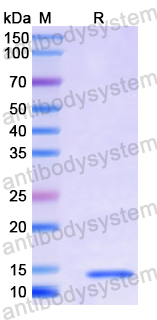
 For research use only. Not for human or drug use.


