Catalog No.
FHC93420
Species reactivity
Human
Host species
Human
Isotype
IgG1, kappa
Clonality
Monoclonal
Conjugation
Unconjugated
Applications
FCM
Target
IgG Fc receptor I, High affinity immunoglobulin gamma Fc receptor I, FcRI, FCGR1A, FCG1, FcgammaRIa, IGFR1, CD64, Fc-gamma RI, FCGR1, Fc-gamma RIA
Concentration
1 mg/ml
Endotoxin level
Please contact with the lab for this information.
Purity
>95% as determined by SDS-PAGE.
Purification
Protein A/G purified from cell culture supernatant.
Accession
P12314
Form
Liquid
Storage buffer
0.01M PBS, pH 7.4, 0.09% Sodium azide.
Stability and Storage
Use a manual defrost freezer and avoid repeated freeze-thaw cycles. Store at 4°C short term (1-2 weeks). Store at -20°C 12 months. Store at -80°C long term.
Clone ID
MDX-33
Note
For research use only.
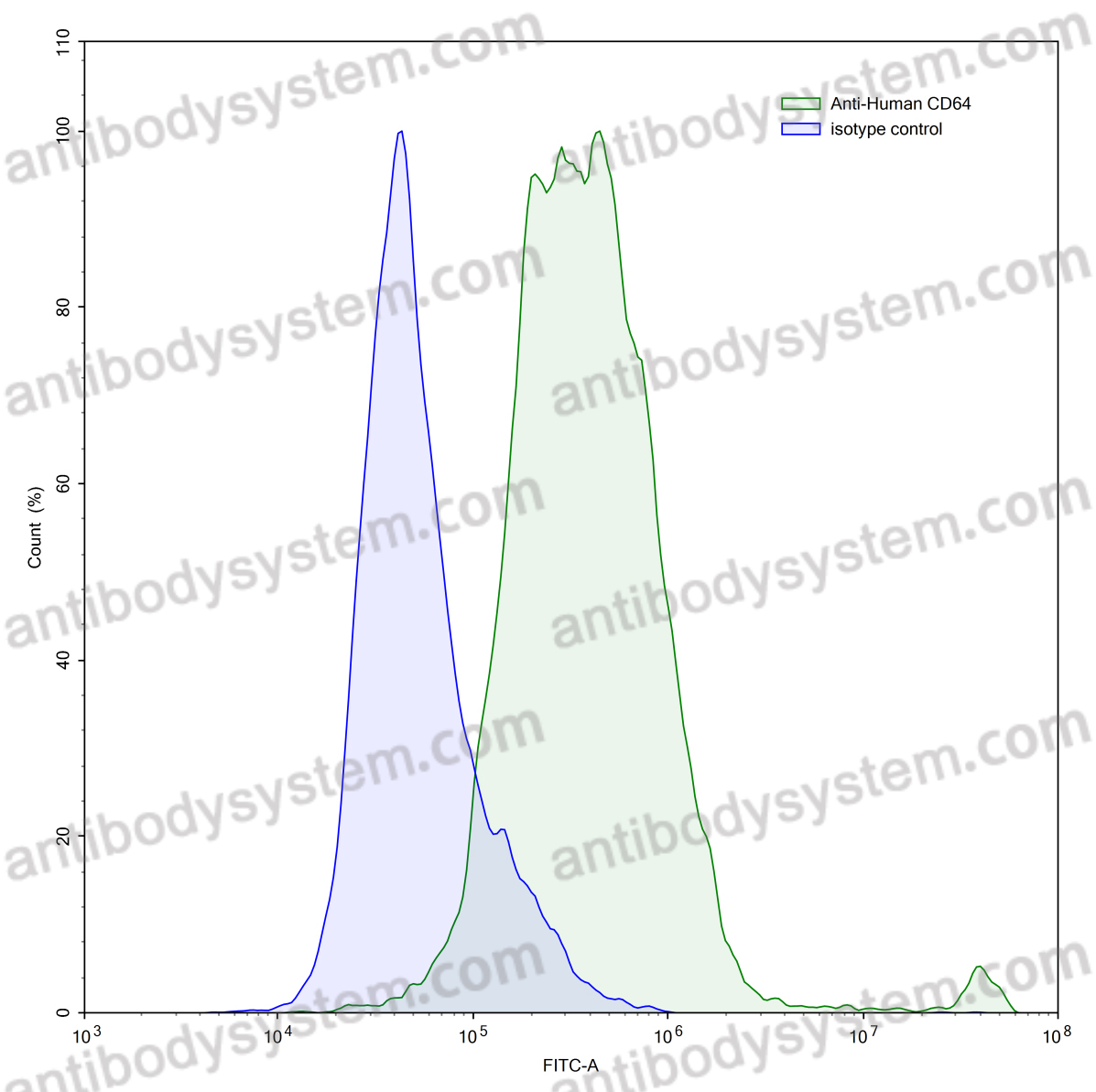
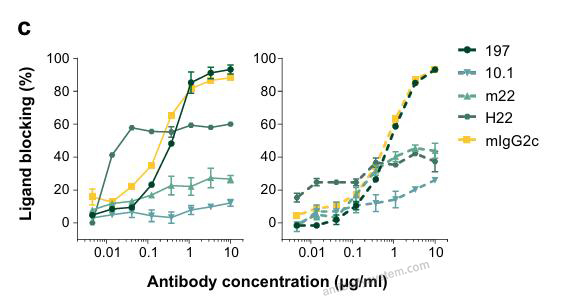
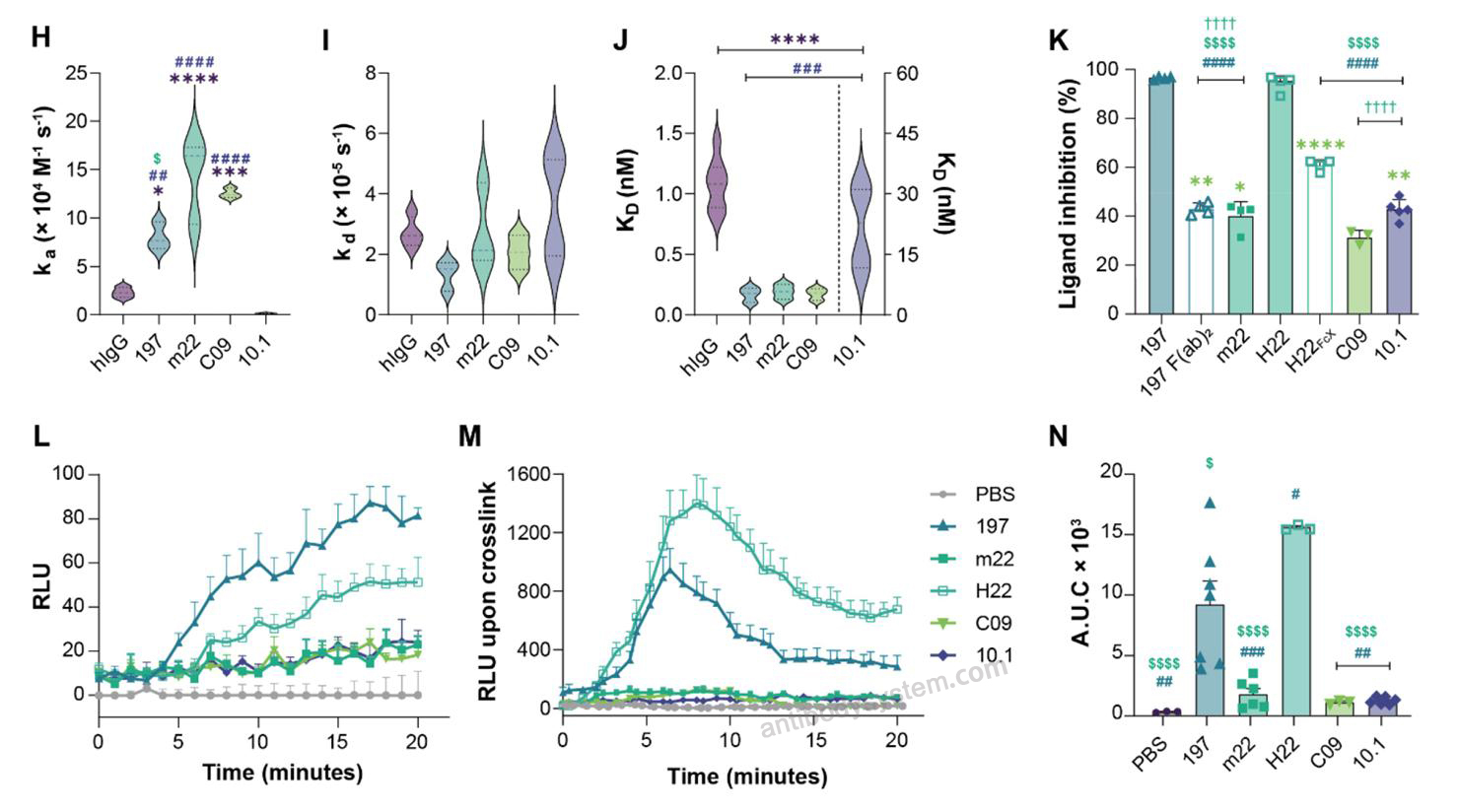
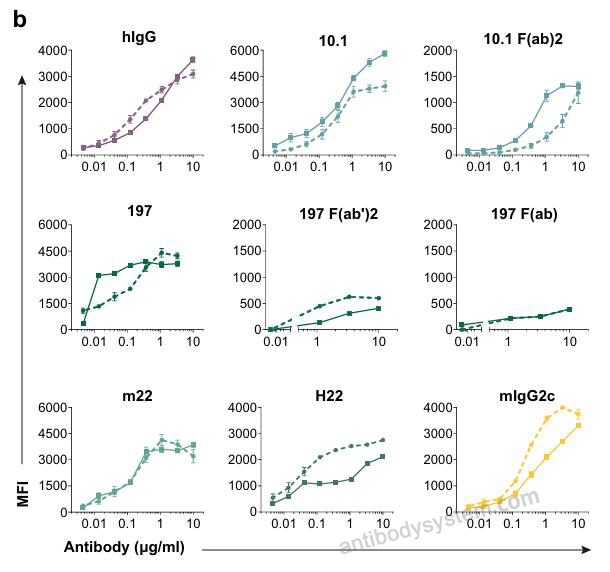
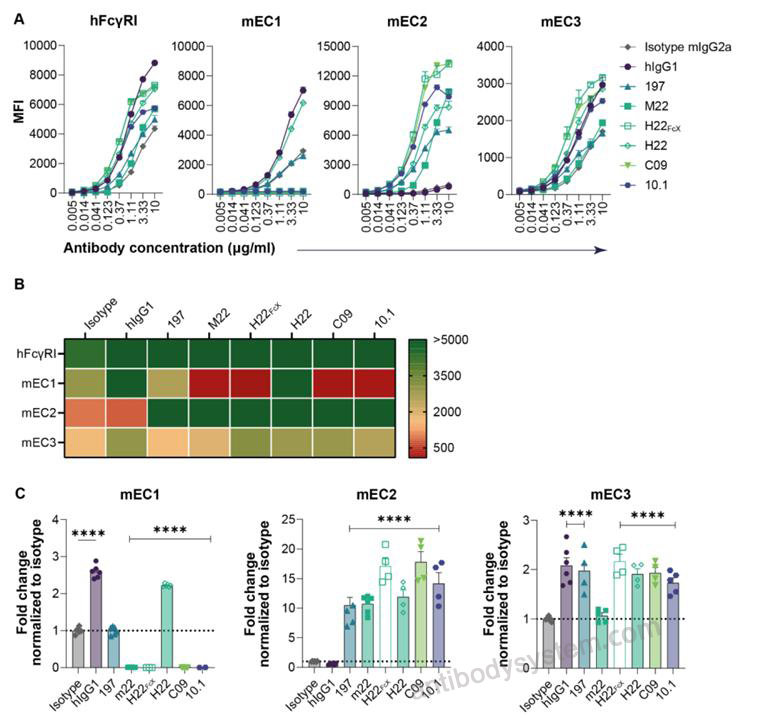
Extracellular domain 1 of human FcγRI (CD64) identified as the binding site for anti-FcγRI antibodies. [FHC93420]
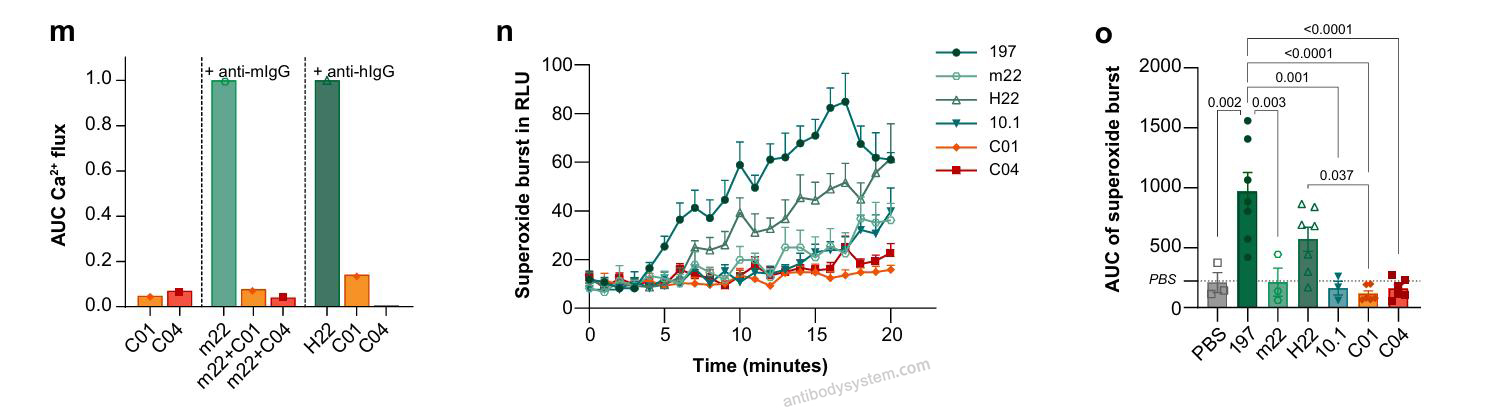
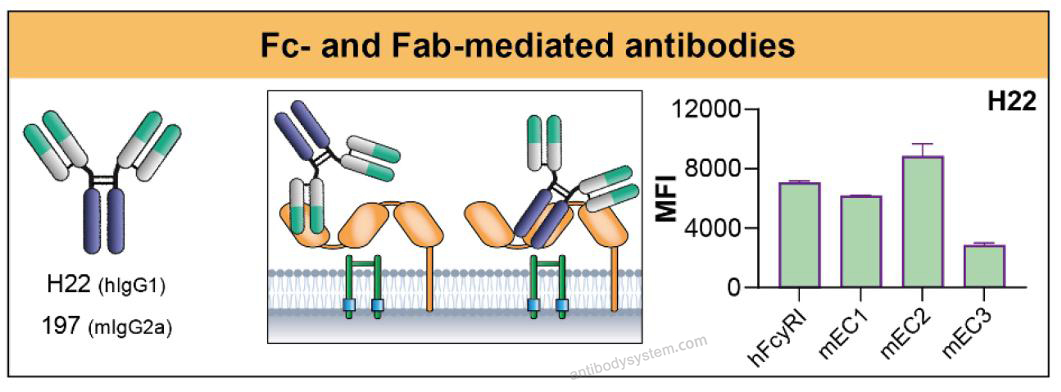
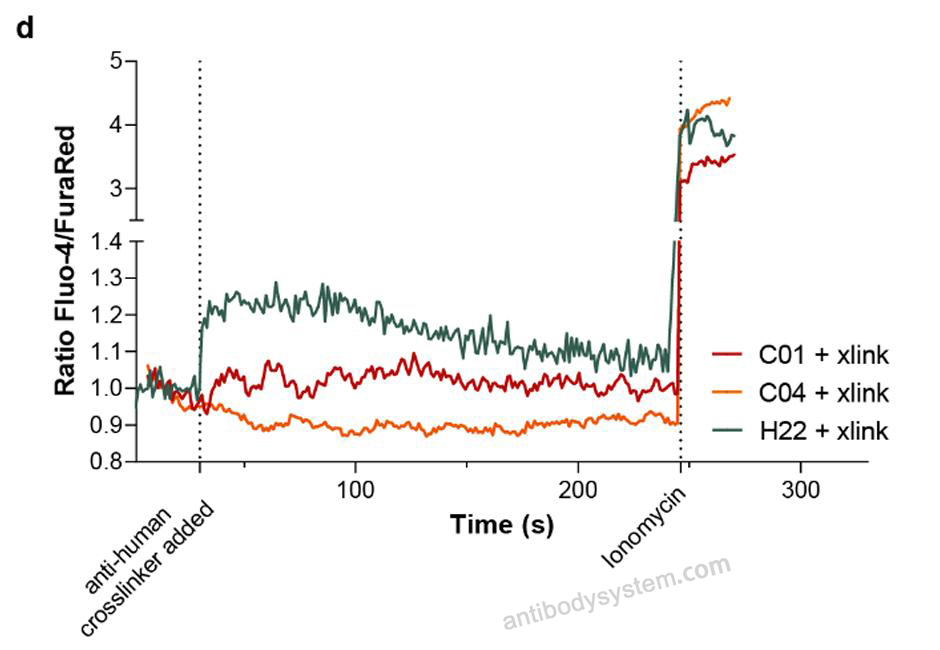
Preclinical assessment of two FcγRI-specific antibodies that competitively inhibit immune complex-FcγRI binding to suppress autoimmune responses. [FHC93420]
Glial reactivity and T cell infiltration in frontotemporal lobar degeneration with tau pathology., PMID:37703311
The solution structure of the unbound IgG Fc receptor CD64 resembles its crystal structure: Implications for function., PMID:37733670
Macrophage N-glycan processing inhibits antibody-dependent cellular phagocytosis., PMID:37792857
Repurposing Fc gamma receptor I (FcγRI, CD64) for site-oriented monoclonal antibody capture: A proof-of-concept study for real-time detection of tumor necrosis factor-alpha (TNF -α)., PMID:37809995
High levels of PD-L1 on platelets of NSCLC patients contributes to the pharmacological activity of Atezolizumab., PMID:37857253
Adaptive design of mRNA-loaded extracellular vesicles for targeted immunotherapy of cancer., PMID:37857647
Dual targeted extracellular vesicles regulate oncogenic genes in advanced pancreatic cancer., PMID:37872156
Synthetic immune checkpoint engagers protect HLA-deficient iPSCs and derivatives from innate immune cell cytotoxicity., PMID:37922880
Associations of myeloid cells with cellular and humoral responses following vaccinations in patients with neuroimmunological diseases., PMID:38007484
iPSC-derived natural killer cells expressing the FcγR fusion CD64/16A can be armed with antibodies for multitumor antigen targeting., PMID:38056893
FLAER as a standalone reagent for paroxysmal nocturnal hemoglobinuria: Do we need to reconsider the guidelines for testing?, PMID:38069562
Distinct effector functions mediated by Fc regions of bovine IgG subclasses and their interaction with Fc gamma receptors., PMID:38077405
iPSC-derived natural killer cells expressing the fcγr fusion CD64/16A can be armed with antibodies for multitumor antigen targeting., PMID:38154859
Antiviral and Anti-Inflammatory Therapeutic Effect of RAGE-Ig Protein against Multiple SARS-CoV-2 Variants of Concern Demonstrated in K18-hACE2 Mouse and Syrian Golden Hamster Models., PMID:38180084
Fc-gamma receptor expression and cytokine responses to intravenous human immunoglobulin in whole blood from non-pregnant and pregnant women and newborns., PMID:38180331
Anti-CD64 Antibody-Conjugated PLGA Nanoparticles Containing Methotrexate and Gold for Theranostics Application in Rheumatoid Arthritis., PMID:38267687
MRI and Blood-based Biomarkers Are Associated With Surgery in Children and Adults With Ileal Crohn's Disease., PMID:38738296
Druggability properties of a L309K mutation in the antibody CH2 domain., PMID:38742229
Invasive and Non-invasive Clinical Haemophilus influenzae Type A Isolates Activate Differentiated HL-60 Cells In Vitro., PMID:38774126
ACE2 decoy Fc-fusions and bi-specific killer engager (BiKEs) require Fc engagement for in vivo efficacy against SARS-CoV-2., PMID:38948747
iPSC-derived NK cells expressing high-affinity IgG Fc receptor fusion CD64/16A to mediate flexible, multi-tumor antigen targeting for lymphoma., PMID:39100677
Production and characterization of novel Anti-HIV Fc-fusion proteins in plant-based systems: Nicotiana benthamiana & tobacco BY-2 cell suspension., PMID:39142626
Suppressing anti-citrullinated protein antibody-induced osteoclastogenesis in rheumatoid arthritis using anti-CD64 and PAD-2 inhibitors., PMID:39152765
CD64+ fibroblast-targeted vilanterol and a STING agonist augment CLDN18.2 BiTEs efficacy against pancreatic cancer by reducing desmoplasia and enriching stem-like CD8+ T cells., PMID:39187291
Systematic analysis of Fc mutations designed to reduce binding to Fc-gamma receptors., PMID:39279104
Systematic analysis of Fc mutations designed to enhance binding to Fc-gamma receptors., PMID:39306747
Decreased NETosis-related regulators in neuromyelitis optica spectrum disorders after plasma exchange., PMID:39321705
Affinity-based 3D-printed microfluidic chip for clinical sepsis detection with CD69, CD64, and CD25., PMID:39383543
The contribution of the CRP/CD64 axis to renal cancer progression by inducing protumor activation of tumor-associated macrophages., PMID:39564003
ICOSLG Is Associated with Anti-PD-1 and Concomitant Antihistamine Treatment Response in Advanced Melanoma., PMID:39596506
Guselkumab in patients with moderately to severely active ulcerative colitis (QUASAR): phase 3 double-blind, randomised, placebo-controlled induction and maintenance studies., PMID:39706209
Identification of the linear Fc-binding epitope on the bovine IgG1 Fc receptor of (boFcγRI) using synthetic peptides., PMID:39746504
Construction and characterization of chimeric FcγR T cells for universal T cell therapy., PMID:39810257
Antibody-Dependent Cellular Cytotoxicity of iPS Cell-Derived Natural Killer T Cells by Anti-GD2 mAb for Neuroblastoma., PMID:39916425
BNT162b2 mRNA vaccination affects the gut microbiome composition of patients with follicular lymphoma and chronic lymphocytic leukemia., PMID:39930533
The CD64/CD28/CD3ζ chimeric receptor reprograms T-cell metabolism and promotes T-cell persistence and immune functions while triggering antibody-independent and antibody-dependent cytotoxicity., PMID:39962623
Integrating early response biomarkers in pharmacokinetic models: A novel method to individualize the initial infliximab dose in patients with Crohn's disease., PMID:39985779
Evaluation of Innate Immune System, Body Habitus, and Sex on the Pharmacokinetics and Pharmacodynamics of Anetumab Ravtansine in Patients With Cancer., PMID:40051118
Gene-modified NK cells expressing CD64 and preloaded with HIV-specific BNAbs target autologous HIV-1-infected CD4+ T cells by ADCC., PMID:40073240
Targeting prostate cancer by new bispecific monocyte engager directed to prostate-specific membrane antigen., PMID:40096254
Anti-CD64(scFv)-SNAP-Auristatin F: An in vitro proof of concept study for a recombinant antibody conjugate targeting CD64+ acute monocytic leukemia., PMID:40112664
Guselkumab binding to CD64+ IL-23-producing myeloid cells enhances potency for neutralizing IL-23 signaling., PMID:40145093
Combining CD64 and CD123 Biomarkers for Sepsis Early Diagnosis and Severity Assessment via PD-L1 Antibody Affinity Microfluidic (PAAM) Chip in Trace Clinical Samples., PMID:40177943
Macrophage requirements for abatacept response in rheumatoid arthritis., PMID:40242906
Immune Landscape Variation in Antineutrophil Cytoplasmic Antibody-Associated Vasculitis Circulation Before and After Plasmapheresis by Single-Cell Transcriptome., PMID:40256686
Neutrophil Z Is a Novel Marker to Differentiate Disease Flares From Bacterial Infections in Febrile SLE Patients., PMID:40302194
Multiplex immunophenotyping of human acute myeloid leukemia patients revealed single -cell heterogeneity with special attention on therapy sensitive and therapy resistant subpopulations., PMID:40313947
Effects of ulinastatin on therapeutic outcomes and inflammatory markers in pediatric septic shock patients., PMID:40360546
With guselkumab, does the dual mechanisms to inhibit IL-23, help in ulcerative colitis?, PMID:40394835
Human Fcγ-receptors selectively respond to C-reactive protein isoforms., PMID:40458392

 For research use only. Not for human or drug use.


