
How to Choose the Right Antibody Clone for Your Experiment?
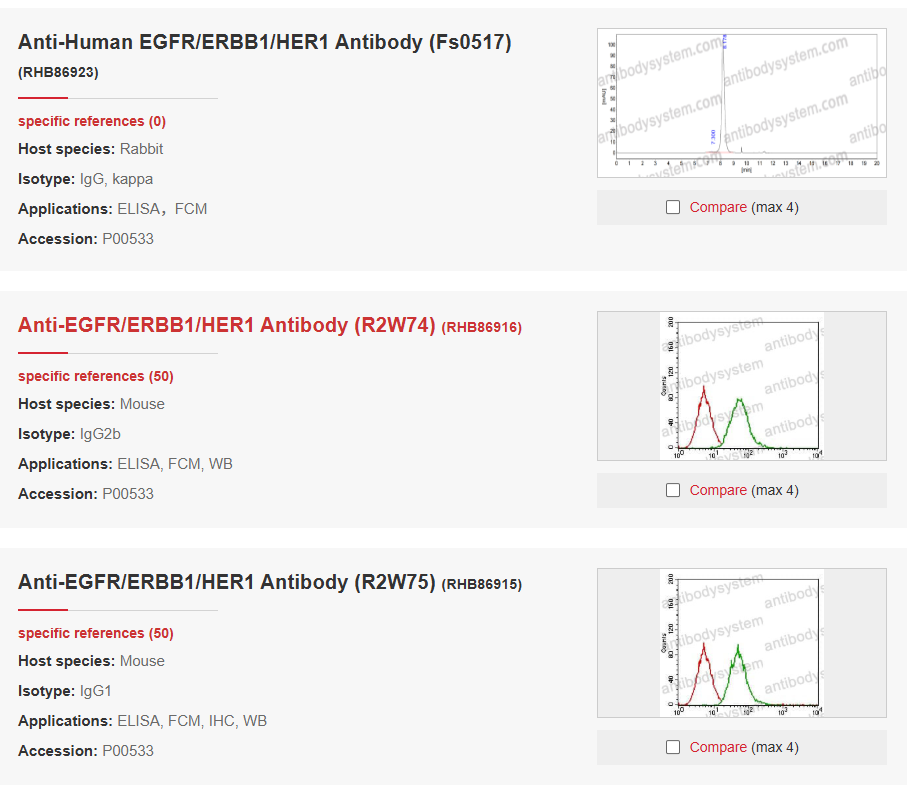
When selecting antibodies, researchers often find that the same target protein is associated with multiple antibody clones. These antibodies may all be validated for applications such as Western blot (WB), immunofluorescence (IF), or immunohistochemistry (IHC), yet their experimental performance can vary.
Why are multiple clones developed for the same target? What makes different clones unique? When several antibodies appear suitable for the same application, how should researchers choose the most appropriate one?
The key is not to find the "best" clone, but to identify the clone that best matches your experimental system.
What Is an Antibody Clone?
A clone refers to the specific cell line from which a monoclonal antibody is produced.
During monoclonal antibody development, researchers screen multiple antibody-producing cell lines and select those that specifically recognize the target antigen with stable performance. Each selected cell line is assigned a unique identifier, known as the antibody clone.
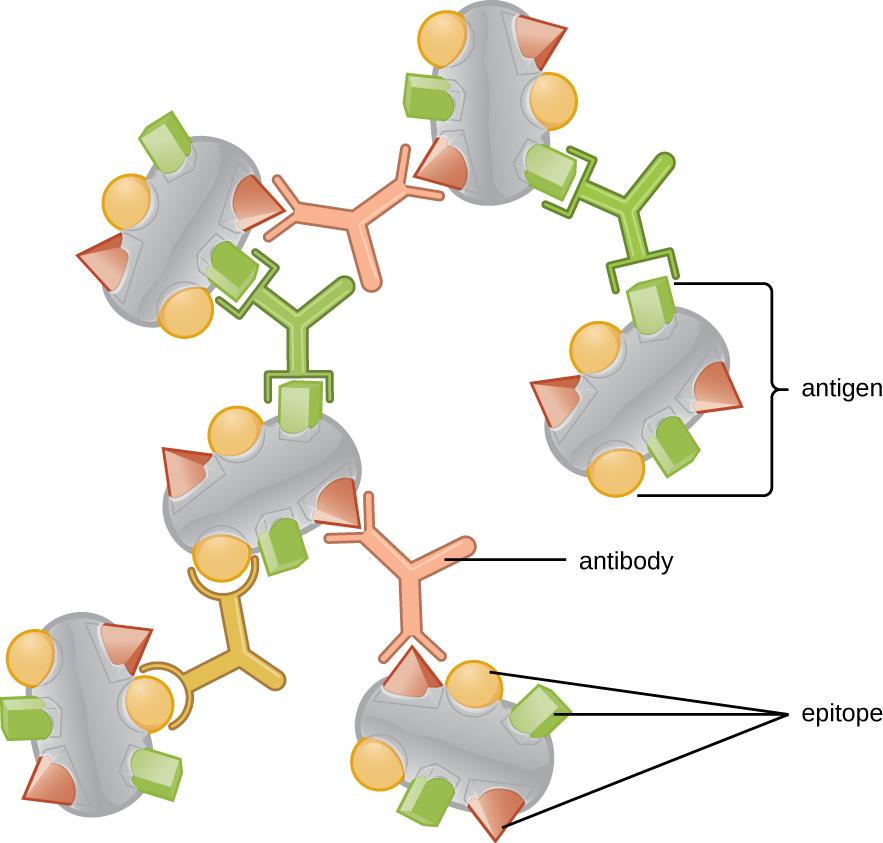
Since a single protein usually contains multiple antigenic regions (epitopes), different antibody clones may recognize different regions of the same target protein. Therefore, multiple monoclonal antibodies can be generated against the same target.
Although these antibodies recognize the same protein, differences in epitope recognition, binding characteristics, and compatibility with experimental conditions may lead to different performance in different assays.
Therefore, the clone number does not indicate whether an antibody is superior or inferior. Instead, it represents an antibody with distinct recognition characteristics that may be better suited for specific research applications.
Why Can Different Clones Produce Different Results?
The main difference between antibody clones lies in their potential epitope recognition.
During experimental workflows, target proteins may undergo different treatments, including denaturation in WB, fixation and antigen retrieval in IHC, or permeabilization in IF. These processes can alter protein structure and affect epitope accessibility.
As a result, even antibodies targeting the same protein and validated for the same application may show different performance in actual experiments.
Other factors, including antibody affinity, background signal, and compatibility with different sample types, can also contribute to variations between clones.
How to Choose Between Multiple Antibody Clones?
1. Choose Based on Your Experimental Application
The first step is to define your experimental purpose rather than selecting a clone based on popularity or citation frequency.
Different applications have different requirements.
- For WB, the antibody should be able to recognize the target protein after denaturation and provide specific, clear bands.
- For IF and IHC, antibody performance under fixation, permeabilization, and antigen retrieval conditions is critical. Validation using samples similar to your own research system provides stronger reference value.
- For IP, antibodies need to efficiently recognize and bind the native form of the target protein.
Therefore, the first question to ask is: Has this clone been validated under conditions similar to my experimental workflow?
2. Compare Validation Data, Not Just Application Lists
Most commercial antibody pages provide application information, such as WB, IF, and IHC. However, identical application labels do not necessarily mean identical validation quality.
For example, two clones may both be validated for WB, but one may have been tested only in overexpressed systems, while the other has been validated using endogenous protein expression.
If your goal is to detect endogenous protein, validation data from endogenous samples are generally more relevant.
When comparing different clones, consider:
- Whether the validation sample is similar to your experimental material;
- Whether the target protein expression level matches your research system;
- Whether the experimental conditions are comparable to your own workflow.
The relevance of validation data is often more important than the number of supported applications.
3. Consider Relevant Literature Support
Published studies can provide valuable guidance when selecting antibody clones, but the number of citations alone should not determine your choice.
A widely cited clone may have been extensively used in different experimental systems, but those conditions may not match your research.
For example, if your study focuses on tissue samples, IHC-related publications may provide more meaningful evidence than cell-based WB studies. Similarly, if your research focuses on protein localization, IF or IHC validation may be more relevant than expression analysis by WB.
The most valuable references are those using similar samples, species, and experimental approaches as your own study.
4. Check Epitope Information When Needed
For routine protein expression analysis, application validation and experimental compatibility are usually sufficient for clone selection.
However, epitope information becomes important in specific research scenarios, such as:
- Detecting protein cleavage products;
- Studying specific mutations;
- Distinguishing different protein domains;
- Analyzing post-translational modifications.
In these cases, information about the antibody immunogen and epitope region can help determine whether the clone is suitable for the research objective.
It is important to note that the clone name itself does not reveal the recognized epitope and cannot be used alone to predict antibody performance.
Common Mistakes When Selecting Antibody Clones
- Mistake 1: Assuming antibodies with the same application validation perform identically
Application validation indicates that an antibody has worked under specific experimental conditions. It does not guarantee identical performance across different sample types or workflows. - Mistake 2: Choosing the most cited clone
Citation numbers reflect usage history, but not necessarily compatibility with your experimental system. A clone validated in a similar research context is usually a more reliable choice. - Mistake 3: Frequently switching between clones
If a specific clone has already produced consistent results in your experimental system, replacing it with another clone—even one validated for the same application—may require additional optimization.
Conclusion
Multiple antibody clones against the same target are common because different clones may recognize different epitopes and exhibit different experimental characteristics.
When selecting among multiple clones, researchers should prioritize:
- Matching the clone to the intended application;
- Comparing validation data with their own experimental system;
- Reviewing relevant literature support;
- Considering epitope information for specialized research needs.
There is no universally "best" antibody clone. The most suitable clone is the one that provides reliable performance under your specific experimental conditions.


