
AntibodySystem New Citations in June 2026
Scientific breakthroughs begin with reliable research tools.
In June 2026, AntibodySystem products continued to support cutting-edge research across immunology, infectious diseases, oncology, regenerative medicine, and cardiovascular biology. Studies citing AntibodySystem reagents were published in leading journals including MedComm, iScience, and Technology in Cancer Research & Treatment and more, highlighting their applications in therapeutic antibody discovery, targeted anticoagulant development, cancer biomarker validation, and more.
MedComm
Discovery and Structural Characterization of a Highly Protective Neutralizing Antibody Targeting the Mpox Virus A35R Protein

How Can a Single Neutralizing Antibody Achieve Complete Protection Against Mpox Virus?
Study Highlights
Developing potent neutralizing antibodies against the Mpox virus (MPXV) remains an important strategy for antiviral therapy. In this study, researchers combined an mRNA-LNP immunization approach with the Beacon optofluidic single-B-cell screening platform to identify 17H1, a high-affinity antibody targeting the MPXV A35R envelope protein. Cryo-EM analysis revealed a unique binding epitope centered on residue E120.
In BALB/c mice, 17H1 provided 100% protection when administered either prophylactically or therapeutically, significantly reducing pulmonary viral loads and lung pathology. These findings establish 17H1 as a promising therapeutic antibody candidate for future MPXV intervention.
AntibodySystem Product Used
RVV13102 | Anti-Monkeypox virus/MPXV A35R Antibody (SAA0287)


Product Application
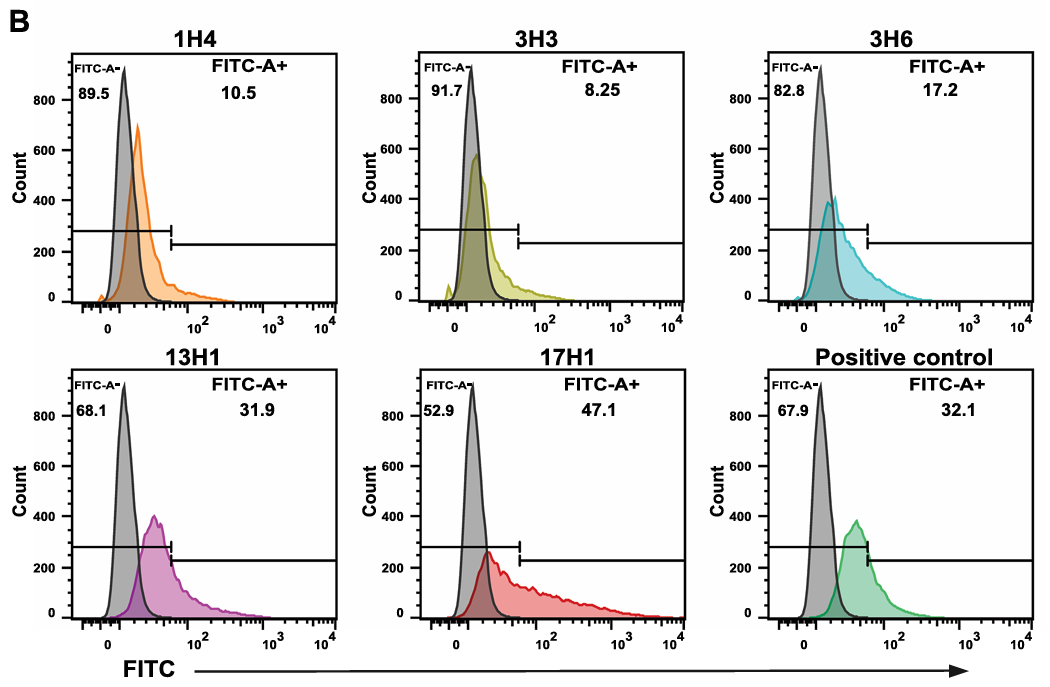
The researchers used AntibodySystem Anti-MPXV A35R Antibody (RVV13102) as a commercial positive control in flow cytometry to compare the binding of five candidate antibodies to full-length A35R expressed on HEK293T cells. Compared with both the commercial control and the other candidates, 17H1 exhibited superior binding activity, confirming its high specificity and supporting subsequent functional characterization.

Journal of General Virology
A novel antiviral strategy targeting human metapneumovirus through pH modulation in human airway epithelial cells

Can Modulating Cellular pH Become a New Strategy Against hMPV Infection?
Study Highlights
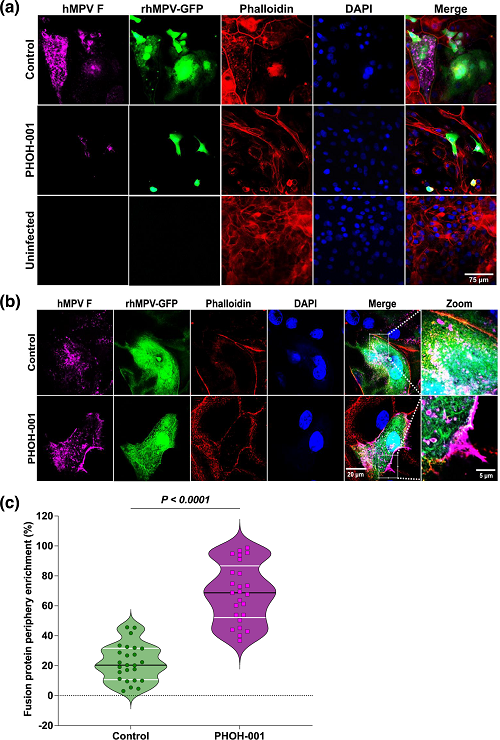
Human metapneumovirus (hMPV) remains an important respiratory pathogen with limited therapeutic options. This study evaluated the antiviral activity of the inhalable alkaline buffer PHOH-001 and demonstrated that elevating extracellular and intracellular pH effectively disrupted endosomal acidification, reducing viral attachment, membrane fusion, and cell-to-cell spread.
In both submerged and air--liquid interface cultures of primary human airway epithelial cells, PHOH-001 markedly suppressed viral replication, showing antiviral activity comparable to the endosomal acidification inhibitor bafilomycin. The findings support host-directed pH modulation as a promising antiviral strategy against hMPV.
AntibodySystem Product Used
PVV22901 | Anti-HMPV F/Fusion glycoprotein F0 Polyclonal Antibody


Product Application
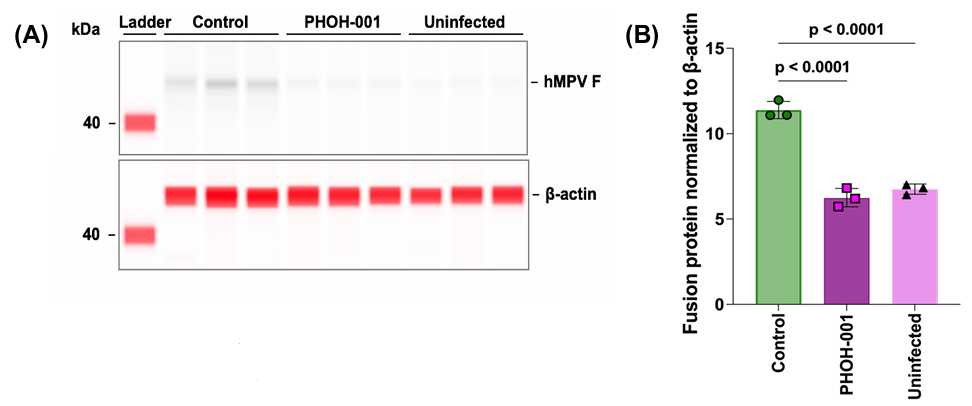
The researchers used AntibodySystem Anti-hMPV F Protein Polyclonal Antibody (PVV22901) in the Jess automated capillary Western blot system to quantify hMPV F protein expression in infected human airway epithelial cells. Reduced F protein levels following PHOH-001 treatment were consistent with decreased viral replication, further supporting the proposed antiviral mechanism.


iScience
An engineered hirudin-albumin prodrug enables thrombus-targeted long-acting anticoagulation with reduced bleeding risk

Can Anticoagulant Therapy Be Both Long-Lasting and Safer?
Study Highlights
Although hirudin is a potent anticoagulant, its short half-life and increased bleeding risk have limited its clinical application. To address these challenges, researchers developed PXHV2, an FXa-activatable hirudin-albumin prodrug designed to remain inactive in circulation and release active hirudin only at thrombus sites.
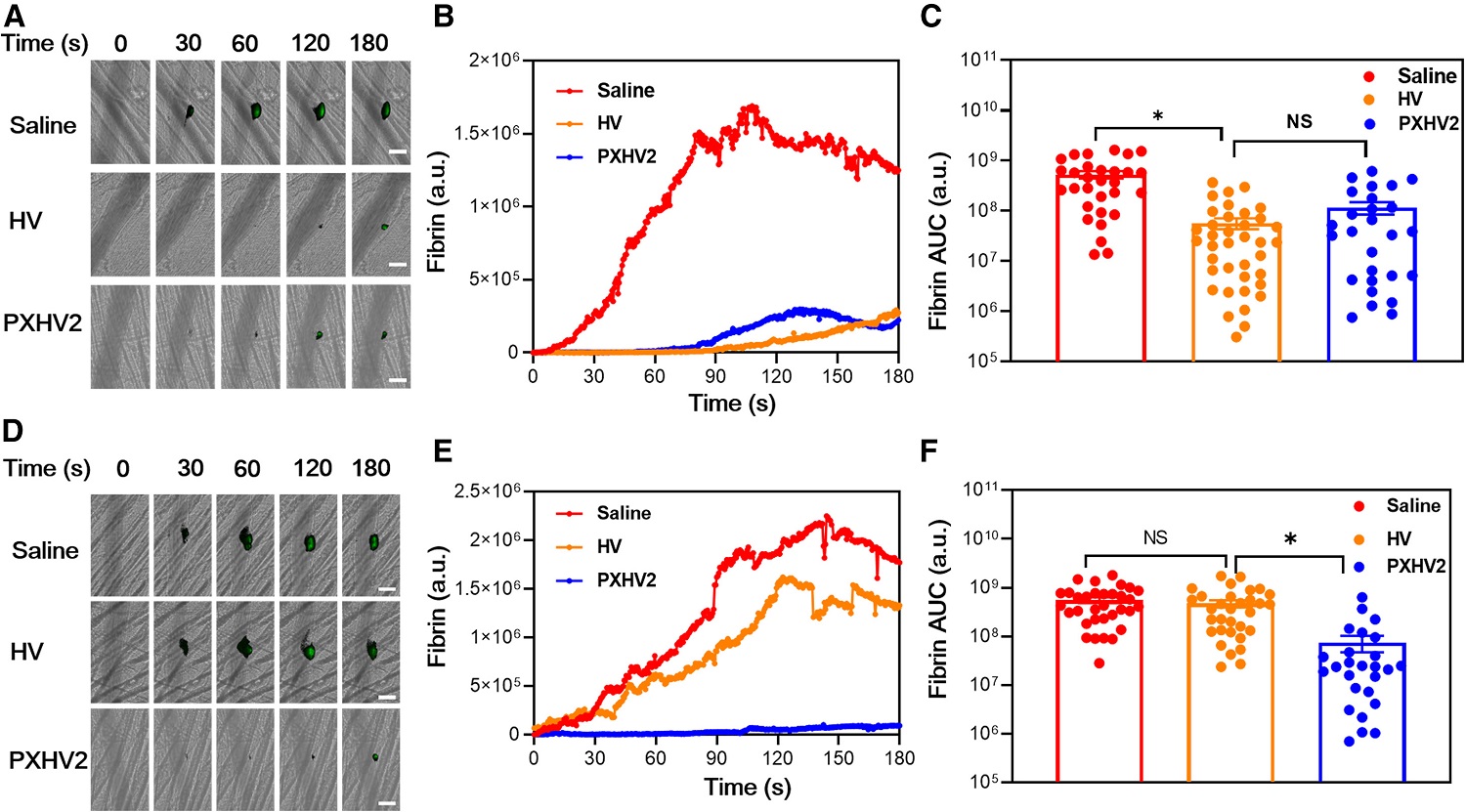
In multiple mouse thrombosis models, PXHV2 produced sustained antithrombotic activity for up to 120 minutes while significantly reducing fibrin formation. Importantly, tail bleeding assays demonstrated minimal bleeding risk, highlighting the potential of PXHV2 as a safer and longer-acting anticoagulant strategy.
AntibodySystem Product Used
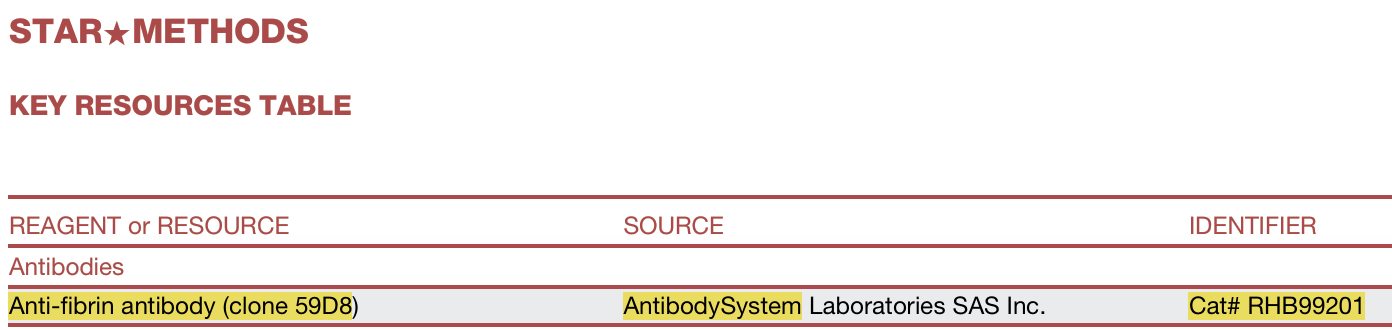
RHB99201 | Anti-Human Fibrin Antibody (59D8)

Product Application
The study employed AntibodySystem Anti-Fibrin Antibody (RHB99201) conjugated with FITC for real-time intravital fluorescence imaging of fibrin deposition in a laser-induced mouse thrombosis model. The imaging results confirmed that PXHV2 effectively suppressed fibrin formation at both early and late time points, supporting its prolonged antithrombotic efficacy.

Technology in Cancer Research & Treatment
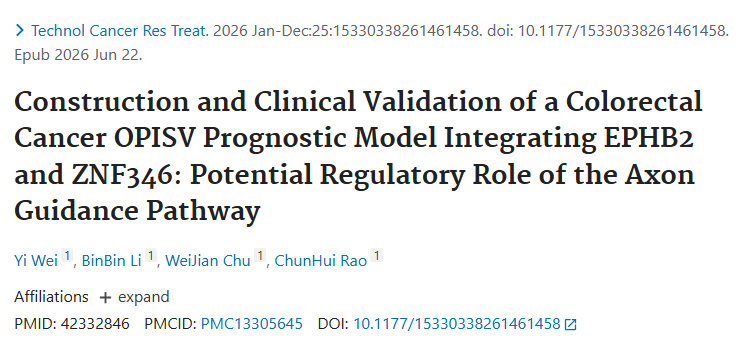
Construction and Clinical Validation of a Colorectal Cancer OPISV Prognostic Model Integrating EPHB2 and ZNF346: Potential Regulatory Role of the Axon Guidance Pathway

Can Two Protein Biomarkers Improve Prognostic Prediction in Colorectal Cancer?
Study Highlights
Accurate prognostic assessment is essential for personalized management of colorectal cancer (CRC). In this study, researchers established the OPISV prognostic model by integrating age, M stage, EPHB2, and ZNF346, successfully distinguishing high- and low-risk patient groups. High-risk tumors were strongly associated with enrichment of the Axon Guidance pathway.
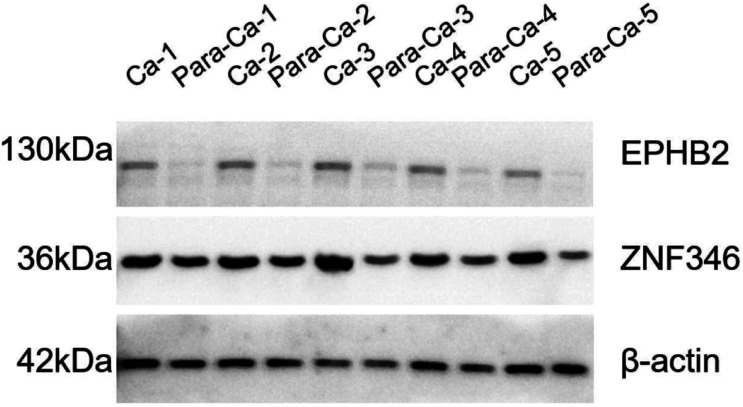
Protein-level validation further demonstrated significantly elevated expression of both EPHB2 and ZNF346 in CRC tissues compared with matched adjacent tissues, supporting their value as potential prognostic biomarkers and reinforcing the robustness of the OPISV model.
AntibodySystem Products Used
RHD82702 | Anti-EPHB2 Antibody (R3H73)
PHY00192 | Anti-ZNF346 Polyclonal Antibody


Product Application
The researchers used AntibodySystem rabbit polyclonal antibodies against EPHB2 and ZNF346 to evaluate protein expression in paired colorectal tumor and adjacent normal tissues by Western blot. Both proteins showed significantly higher expression in tumor samples, providing experimental validation for the prognostic model at the protein level.

Dermatologic Therapy
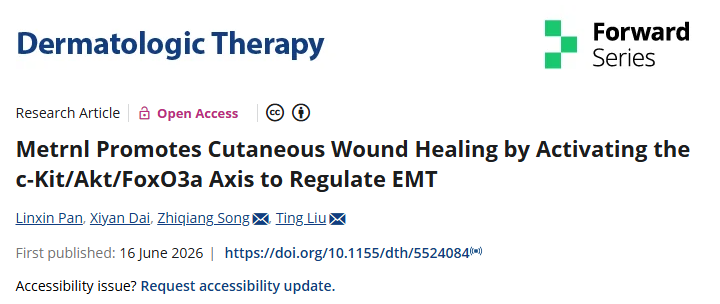
Metrnl Promotes Cutaneous Wound Healing by Activating the c-Kit/Akt/FoxO3a Axis to Regulate EMT

How Does Metrnl Accelerate Cutaneous Wound Healing?
Study Highlights
Effective wound repair relies on coordinated keratinocyte proliferation, migration, and epithelial--mesenchymal transition (EMT). This study identified Meteorin-like (Metrnl) as a key regulator of cutaneous wound healing through activation of the c-Kit/Akt/FoxO3a signaling axis, which suppresses Smad7 and promotes TGF-β-mediated EMT.
In a full-thickness rat skin wound model, recombinant Metrnl significantly accelerated wound closure and improved tissue regeneration. These findings identify Metrnl as a promising therapeutic target for enhancing tissue repair and treating chronic wounds.
AntibodySystem Product Used
YMK81401 | Recombinant Mouse Metrnl Protein


Product Application
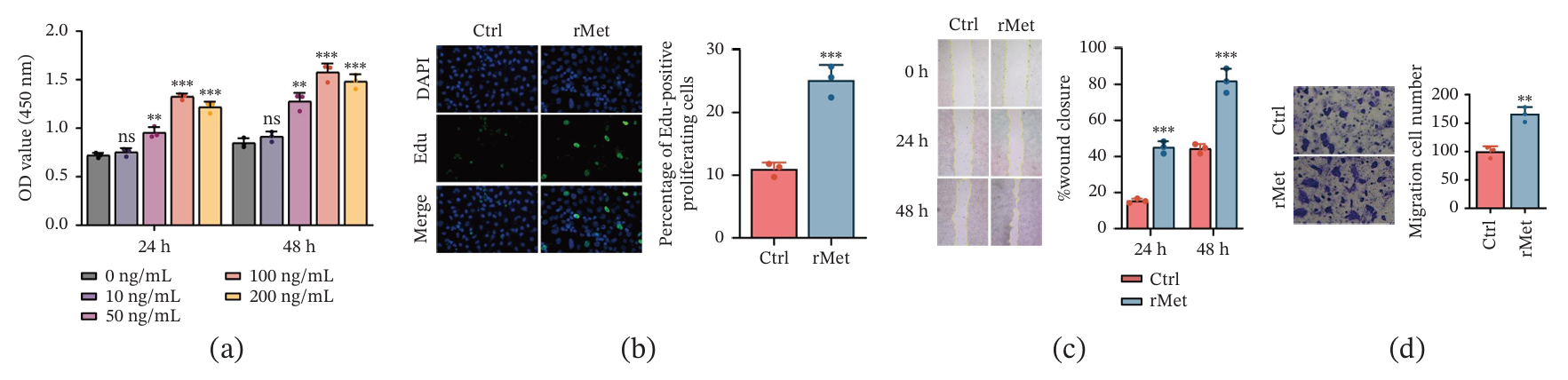
The researchers used AntibodySystem Recombinant Mouse Metrnl Protein (YMK81401) to stimulate primary rat epidermal keratinocytes. Cell proliferation and migration were evaluated using CCK-8, EdU, scratch wound healing, and Transwell migration assays. Recombinant Metrnl significantly enhanced both proliferative and migratory capacities, providing key experimental evidence for its role in promoting wound repair.

Summary
From antiviral antibody discovery and targeted anticoagulant development to cancer biomarker validation, tissue regeneration, and respiratory virus research, AntibodySystem products continue to support scientists worldwide with high-quality, reliable research reagents.
By enabling robust experimental validation across diverse applications, including flow cytometry, Western blot, intravital fluorescence imaging, and advanced cell based assays, AntibodySystem remains committed to accelerating scientific discovery and translational research.
Stay tuned for next month's AntibodySystem Research Highlights, where we will continue showcasing recently published studies powered by AntibodySystem products.


