
Australia Faces Dual Public Health Challenges: Rising Diphtheria and the First Border Detection of H5N1
Australia has recently reported two public health events that have drawn widespread attention.
On one hand, several Australian states have reported an increase in diphtheria cases, prompting public health authorities to remind healthcare providers to remain vigilant and encourage timely vaccination.

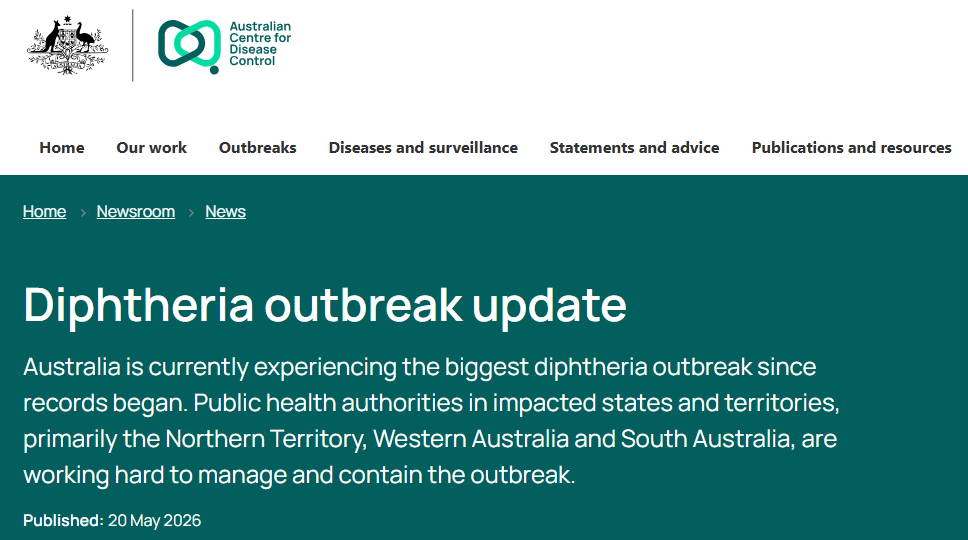
On the other hand, Australia has detected highly pathogenic avian influenza (HPAI) H5N1 for the first time during the wild birds in the country, highlighting the ongoing risk of transboundary introduction of emerging animal pathogens.

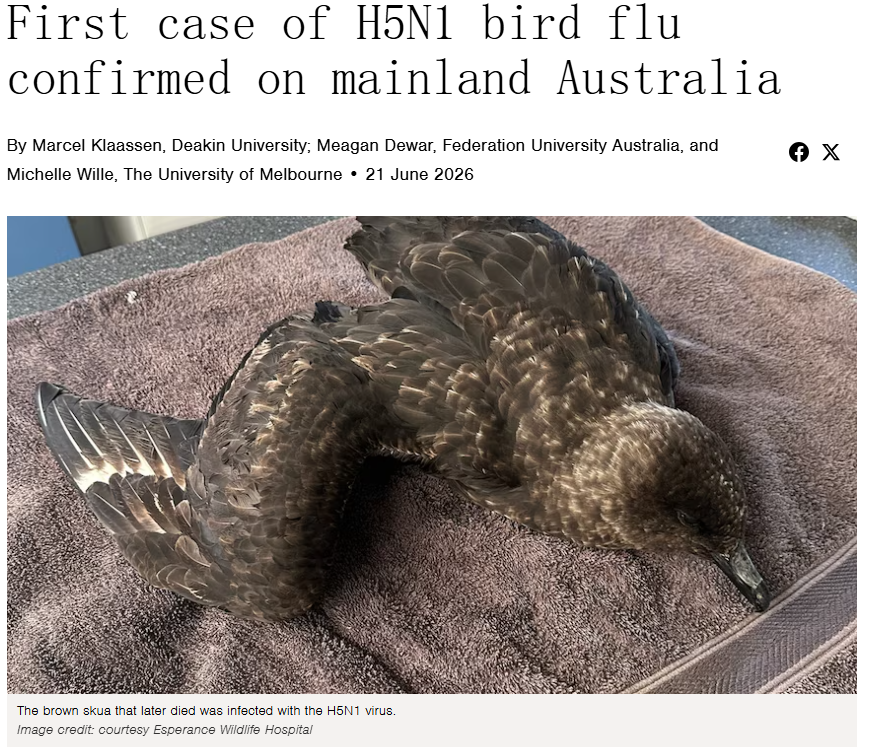
Although these two events involve entirely different pathogens---one caused by a bacterium and the other by a virus---they underscore two major challenges facing global infectious disease control today: the re-emergence of vaccine-preventable diseases and the continued expansion of zoonotic pathogens across species and geographic boundaries.
For researchers, these developments reinforce the importance of pathogen surveillance, immunological research, and the development of reliable diagnostic and research tools.
Why Do These Two Events Matter?
At first glance, diphtheria and H5N1 appear unrelated. However, together they illustrate two distinct yet equally important public health concerns.
The first is the resurgence of vaccine-preventable infectious diseases.
Diphtheria was once brought under control in many countries through routine childhood immunization. However, sporadic outbreaks have reappeared in recent years due to declining vaccination coverage in some regions, increasing international travel, and waning immunity among adults. These events highlight the need to maintain high vaccination rates and robust surveillance systems.
The second concern is the continued evolution and spread of zoonotic viruses.
Highly pathogenic H5N1 avian influenza is no longer confined to poultry. Over the past several years, the virus has been detected in numerous mammalian species, including seals, sea lions, foxes, mink, dairy cattle, and domestic cats. The expanding host range has raised concerns about viral adaptation and the potential for future cross-species transmission.
Although Australia's recent H5N1 finding was limited to border biosecurity surveillance and does not indicate local circulation, it serves as another reminder that continuous monitoring remains essential for preventing pathogen introduction.
Diphtheria: A Vaccine-Preventable Disease That Still Demands Vigilance
Diphtheria is an acute bacterial infection caused by Corynebacterium diphtheriae.
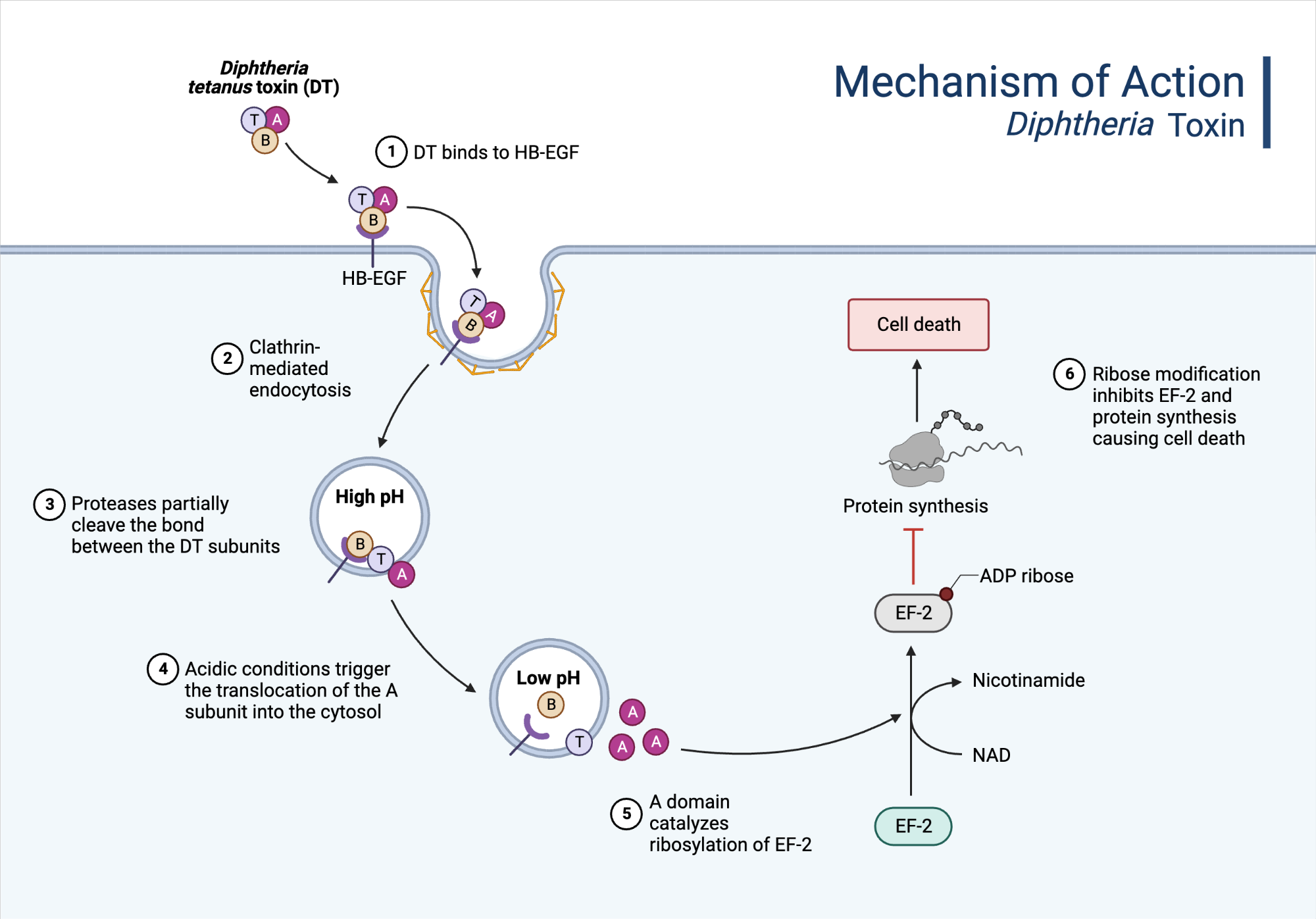
The severity of the disease is primarily attributed not to bacterial invasion itself, but to the production of diphtheria toxin (DT), one of the best-characterized bacterial exotoxins.
Diphtheria toxin is an A-B toxin that binds to host cell receptors and enters the cytoplasm, where it catalyzes ADP-ribosylation of elongation factor 2 (EF-2). This irreversible modification blocks protein synthesis, ultimately leading to cell death.
Beyond localized tissue damage in the upper respiratory tract, circulating toxin can affect multiple organs, including the heart, peripheral nervous system, and kidneys, making toxin-mediated complications the primary cause of severe disease and mortality.

Transmission and Clinical Manifestations
Diphtheria spreads primarily through respiratory droplets or close contact with infected individuals.
After an incubation period of approximately 2--5 days, patients typically develop fever, sore throat, and difficulty swallowing. A characteristic gray-white pseudomembrane may form in the pharynx, often serving as a key clinical indicator.
In severe cases, airway obstruction, myocarditis, cardiac arrhythmias, and peripheral neuropathy may occur.
Fortunately, effective vaccination has dramatically reduced disease incidence worldwide, making sustained immunization programs the cornerstone of prevention.
H5N1: Why Is Highly Pathogenic Avian Influenza Still Under Close Surveillance?
H5N1 belongs to Influenza A virus, a member of the Orthomyxoviridae family.
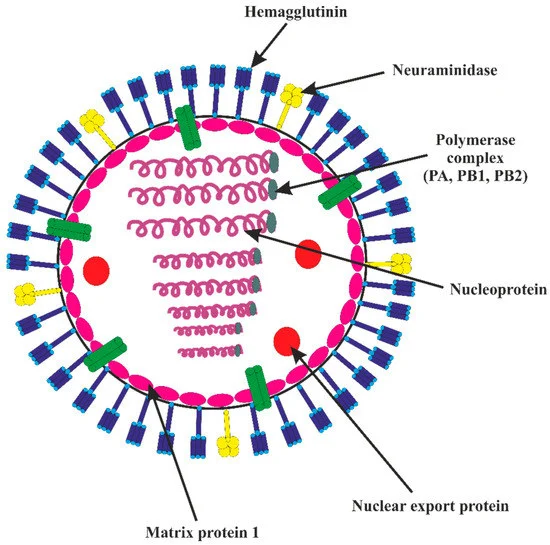
Its subtype designation is determined by two envelope glycoproteins: hemagglutinin (HA) and neuraminidase (NA).
HA mediates viral attachment and membrane fusion during host cell entry, whereas NA facilitates the release of newly formed viral particles, enabling efficient viral spread.
Highly pathogenic H5N1 strains possess a multibasic cleavage site within the HA protein, allowing activation by a broader range of host proteases and contributing to systemic infection in susceptible hosts.

Expanding Host Range Raises New Questions
Historically regarded as a disease of birds, H5N1 has increasingly been identified in diverse mammalian species.
In recent years, confirmed infections have been reported in seals, sea lions, foxes, mink, dairy cattle, felids, and other mammals, suggesting that the virus continues to overcome host barriers.
Genomic surveillance has also identified mutations associated with enhanced replication or adaptation in mammalian hosts in some circulating strains.
Although sustained human-to-human transmission has not been established, these findings emphasize the importance of continued surveillance, genomic sequencing, and studies of virus--host interactions.
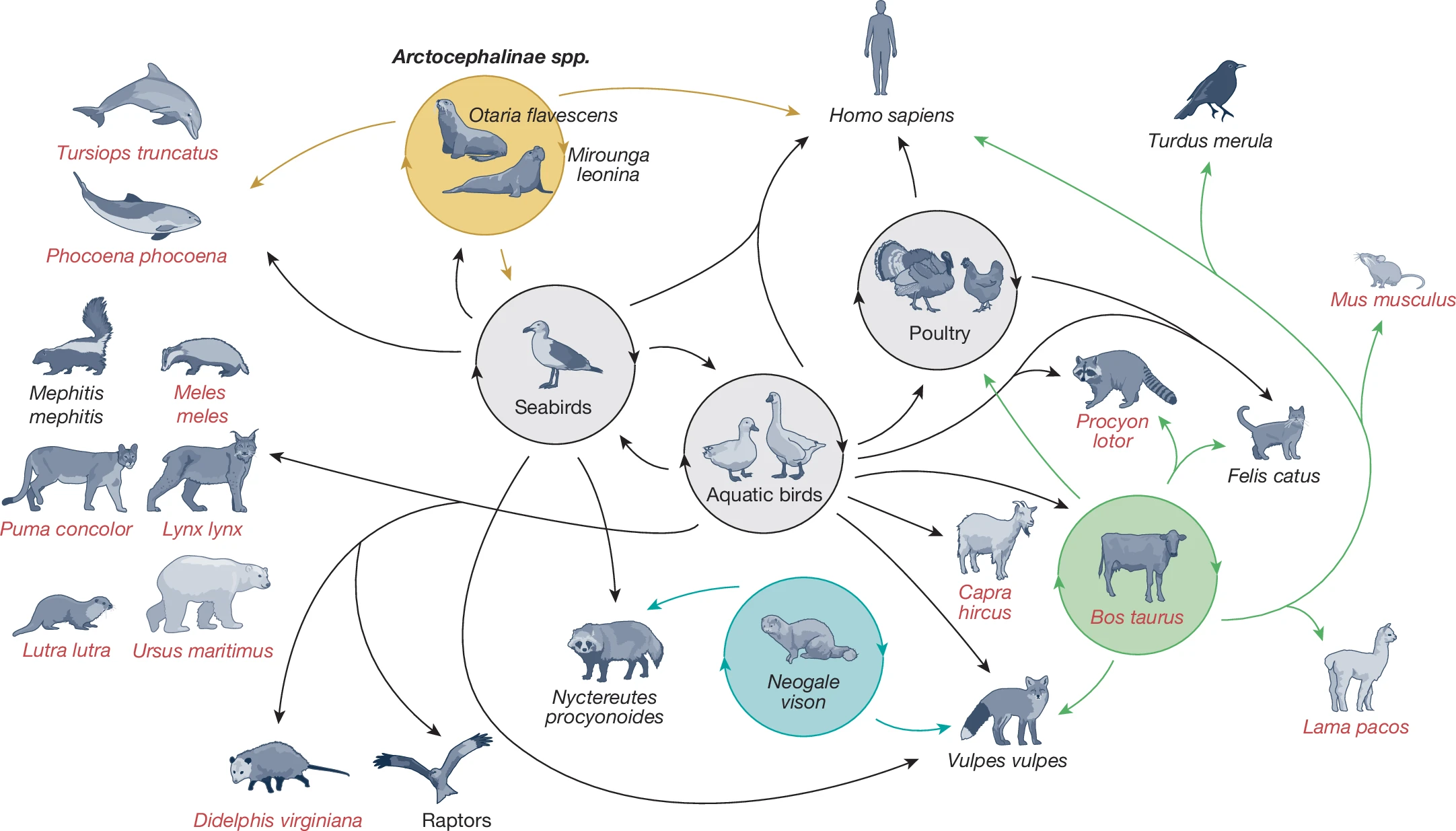
Multi-host ecology of H5N1 clade 2.3.4.4b since 2020 (DOI: 10.1038/s41586-024-08054-z)
Different Pathogens, One Common Requirement: Accurate Detection
Despite their biological differences, both diphtheria and H5N1 rely heavily on laboratory diagnostics for disease surveillance, outbreak investigation, and biomedical research.
Diphtheria diagnosis typically involves bacterial culture, PCR, toxin detection assays, and serological analysis. H5N1 surveillance commonly employs RT-PCR, virus isolation, whole-genome sequencing, antigen detection, and antibody-based assays.
High-quality recombinant proteins, monoclonal antibodies, and immunological reagents have become indispensable tools for studying pathogen biology, evaluating vaccine responses, developing diagnostic assays, and advancing therapeutic research.
As emerging and re-emerging infectious diseases continue to challenge global health systems, robust research tools will remain essential for understanding pathogen evolution and improving preparedness.
AntibodySystem Solutions for Infectious Disease Research
AntibodySystem provides a comprehensive portfolio of high-quality recombinant proteins, research-grade antibodies, and immunological reagents to support infectious disease research.
For influenza research, our product portfolio includes recombinant HA, NA, and M2e proteins, together with polyclonal antibodies, monoclonal antibodies, and research-grade neutralizing antibodies that support vaccine development, antigen characterization, immune response analysis, and assay development.
| Catalog No. | Product Name |
|---|---|
| EVV03805 | Recombinant Influenza A virus (H5N1) HA/Hemagglutinin Protein, C-His |
| YVV03813 | Recombinant Influenza A virus (H5N1) HA/Hemagglutinin Protein, N-His |
| PVV03801 | Anti-Influenza A virus (H5N1) HA/Hemagglutinin Polyclonal Antibody |
| DVV03807 | Research Grade Anti-Influenza A virus HA/Hemagglutinin Broad-Neutralizing Antibody (CR9114) |
| VVV24006 | InVivoMAb Anti-Influenza A/B virus NA/Neuraminidase Broad-Neutralizing Antibody (Iv0283) |
| VVV03805 | InVivoMAb Anti-Influenza A virus HA/Hemagglutinin Antibody (Iv0150) |
| VVV03806 | InVivoMAb Anti-Influenza A virus HA/Hemagglutinin Antibody (FLD21.140) |
| RVV03302 | Anti-Influenza A virus NP/Nucleoprotein Antibody (SAA0411) |
| DVV03808 | Research Grade Anti-Influenza A virus HA/Hemagglutinin Antibody (MEDI8852) |
| YVV23404 | Recombinant Influenza A virus (H5N1) M2e Protein, N-GST & C-His |
| YVV23407 | Recombinant Influenza A virus (H5N1) NF (CsgA)-3M2e Protein, N-His |
| YVV23411 | Recombinant Influenza A virus (H5N1) NR (N)-3M2e Protein, N-His |
| PVV23404 | Anti-Flu A/H5N1 M2e Polyclonal Antibody |
| RVV03801 | Anti-Influenza A virus (H5N1) HA/Hemagglutinin Antibody (SAA2067) |
| VVV03810 | Anti-Influenza A virus (H5N1) HA/Hemagglutinin Antibody (13D4) |
| VVV03811 | Anti-Influenza A virus (H5N1) HA/Hemagglutinin Antibody (D04) |
If your research also involves bacterial toxins, diphtheria toxin, or CRM197-based vaccine studies, additional recombinant proteins and antibody reagents are available to facilitate mechanistic investigations and translational research.
Diphtheria toxin
| Catalog No. | Product Name |
|---|---|
| YXX05401 | Recombinant CRM197 (Nontoxic Diphtheria Toxin) |
| DXX05401 | Research Grade Anti-Corynephage omega DT/Diphtheria toxin Antibody (DTD4) |
| RXX05401 | Anti-Corynephage omega DT/Diphtheria toxin Antibody (DTD8) |
| RXX05402 | Anti-Corynephage omega DT/Diphtheria toxin Antibody (DTD10) |
| RXX05403 | Anti-Corynephage omega DT/Diphtheria toxin Antibody (DTD76) |
| PXX05401 | Anti-Corynephage omega DT/Diphtheria toxin Polyclonal Antibody |
| YXX05402 | Recombinant Corynephage omega DT/Diphtheria toxin Protein, C-Strep |


