
In May 2026, AntibodySystem products continued to support cutting-edge research across multiple scientific disciplines. Studies citing our reagents were published in journals including Science China Life Sciences, Journal of Translational Medicine, Cell Reports, European Journal of Medicinal Chemistry, and Journal of Medical Virology.
These publications advanced our understanding of diverse biological processes and disease mechanisms, including TNFα-driven presynaptic tau aggregate replication, CPEB1-mediated translational regulation during porcine oocyte maturation, immune responses to monkeypox virus infection in people living with HIV, reversal of immunotherapy resistance in colorectal cancer through EP2/EP4 antagonism, the antitumor activity of the RBM39 degrader YSA64 in pediatric Ewing sarcoma, and the impact of prior RSV exposure on subunit vaccine efficacy.
Join Dr. Connie as we explore a selection of representative publications citing AntibodySystem products in May 2026.
1. Science China Life Sciences (Impact Factor: 9.5)

Title
CPEB1 orchestrates cell cycle-dependent translation of maternal factors to coordinate nuclear-cytoplasmic maturation in porcine oocytes
Key Findings
This study presents the first comprehensive transcriptional and translational landscape of porcine oocyte maturation and reveals translational regulatory mechanisms that are highly conserved between pigs and humans. The authors identified CPEB1 as a central translational regulator that selectively activates maternal mRNA translation in a cell cycle-dependent manner through recognition of cytoplasmic polyadenylation elements (CPEs) within 3′UTRs. This coordinated regulation supports both nuclear and cytoplasmic maturation. The study further demonstrated that impaired translational activation of maternal factors such as GPLD1 and HNRNPK during in vitro maturation contributes significantly to reduced developmental competence.


Cited Product
YHF70501 | Recombinant Human GPLD1 Protein, N-His

Product Application
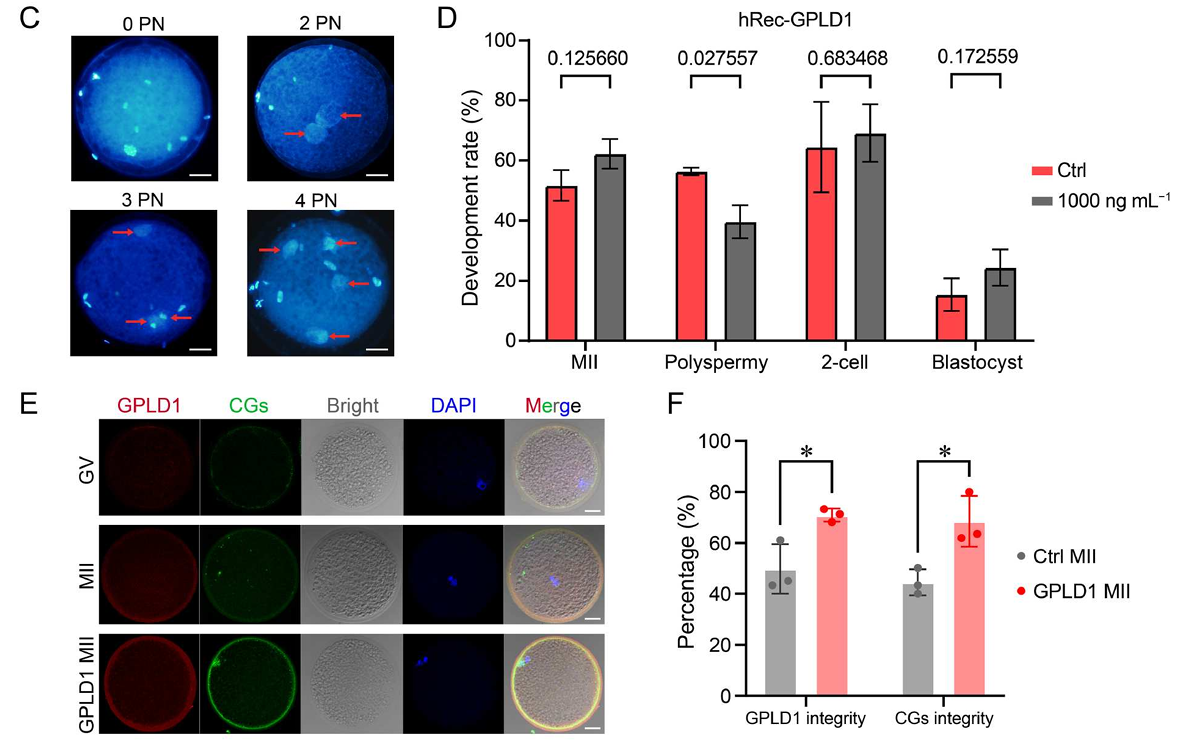
AntibodySystem's Recombinant Human GPLD1 Protein (YHF70501) was supplemented into the in vitro maturation system to compensate for deficient endogenous GPLD1 translation. Immunofluorescence analysis demonstrated localization of recombinant GPLD1 to the oocyte membrane and improved cortical granule organization and integrity, significantly reducing polyspermy rates. These findings highlight a protective role for GPLD1 in oocyte cytoplasmic maturation and sperm recognition.
2. Journal of Translational Medicine (Impact Factor: 7.5)

Title
Durable but impaired humoral and cellular immune responses against monkeypox virus in people with HIV over 18 months
Key Findings
This longitudinal study compared immune responses to monkeypox virus (MPXV) infection in people with HIV (PWH) and HIV-negative individuals over an 18-month period. Although PWH developed persistent immune responses, both humoral and cellular immunity were significantly attenuated, characterized by lower antibody levels, reduced frequencies of virus-specific memory T cells, impaired multifunctionality, and disrupted immune coordination. Importantly, MPXV infection did not adversely affect HIV-specific T-cell responses in individuals receiving antiretroviral therapy.


Cited Products
KAV13402 | Anti-MPXV A29L Human IgG ELISA Kit
KAV13202 | Anti-MPXV E8L Human IgG ELISA Kit
KAV13102 | Anti-MPXV A35R Human IgG ELISA Kit

Product Application
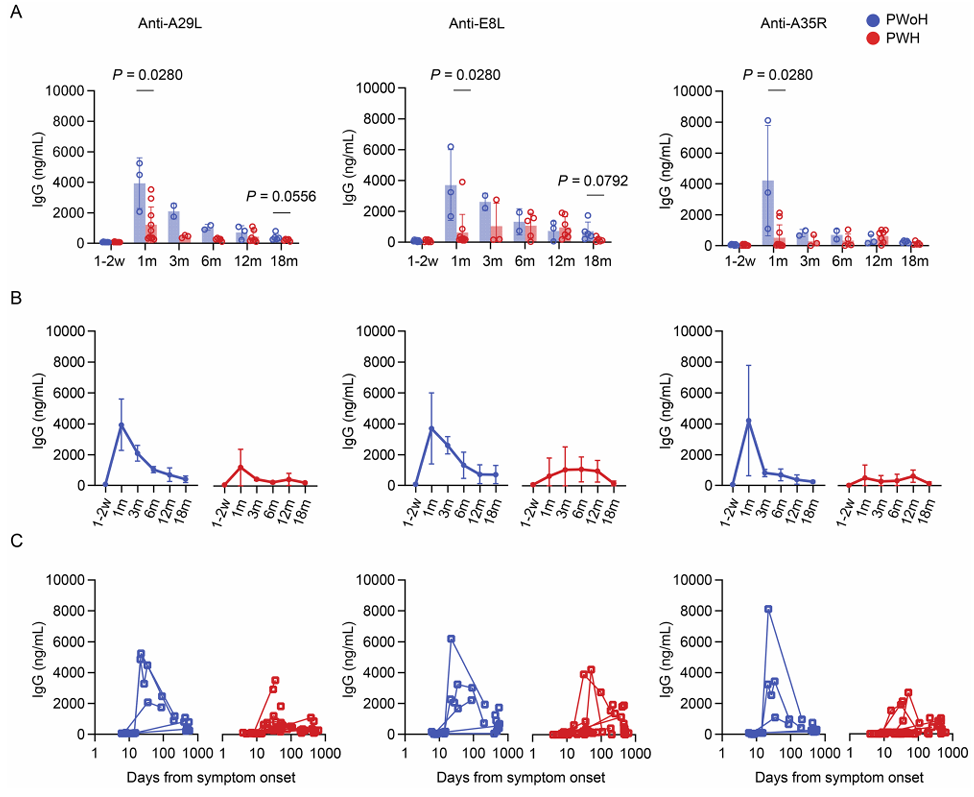
AntibodySystem's ELISA kits targeting MPXV A29L, E8L, and A35R antigens were used to quantify antigen-specific IgG responses in plasma samples. These assays enabled longitudinal assessment of antibody kinetics during acute infection and throughout the 18-month follow-up period, revealing delayed and diminished antibody responses in PWH compared with HIV-negative controls.
3. Cell Reports (Impact Factor: 6.9)

Title
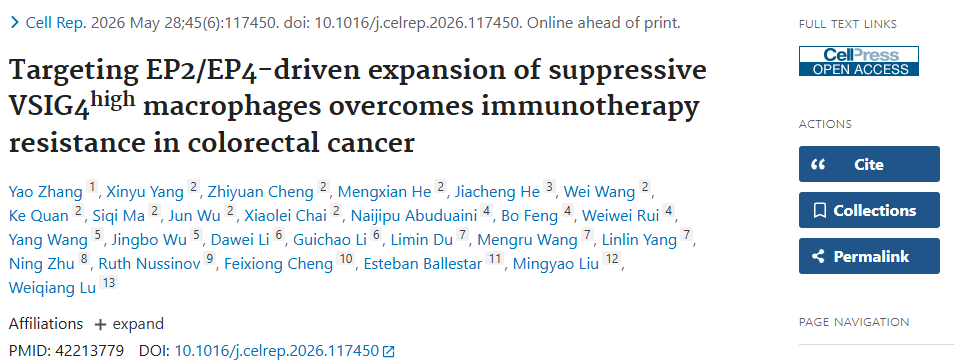
Targeting EP2/EP4-driven expansion of suppressive VSIG4high macrophages overcomes immunotherapy resistance in colorectal cancer
Key Findings
The study demonstrated that the PGE2--EP2/EP4 signaling axis transcriptionally upregulates the immune checkpoint molecule VSIG4 through activation of the Gαs--PKA--CREB pathway. This process drives expansion of a highly immunosuppressive VSIG4high macrophage population and contributes to resistance to anti-PD-1 therapy in colorectal cancer. The dual EP2/EP4 antagonist TP-18 effectively depleted these macrophages, restored CD8+ T-cell antitumor activity, and overcame both primary and acquired resistance in multiple mouse models and patient-derived tumor immune organoids.


Cited Product
VHK26801 | InVivoMAb Anti-Human/Mouse VSIG4/CRIg Antibody (Iv0141)

Product Application
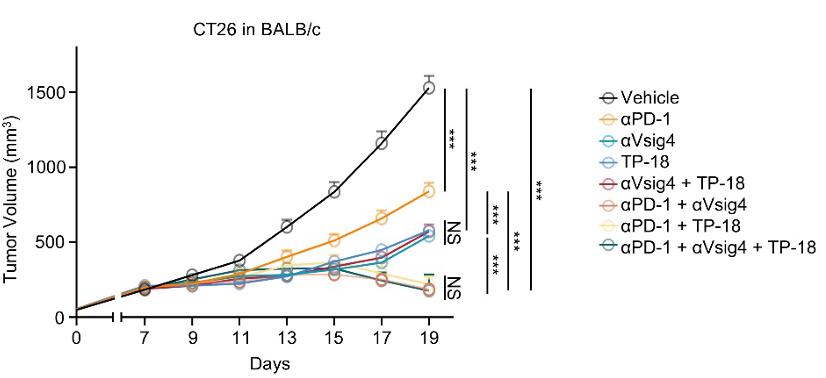
AntibodySystem's InVivoMAb Anti-Human/Mouse VSIG4/CRIg Antibody (Iv0141) (VHK26801) was administered intraperitoneally in CT26 tumor-bearing mice to evaluate VSIG4 blockade. Anti-VSIG4 monotherapy significantly suppressed tumor growth, while combination treatment with TP-18 provided no additional benefit, confirming VSIG4 as a critical downstream immunosuppressive mediator of EP2/EP4 signaling and a promising target for improving anti-PD-1 efficacy.
4. European Journal of Medicinal Chemistry (Impact Factor: 5.9)

Title
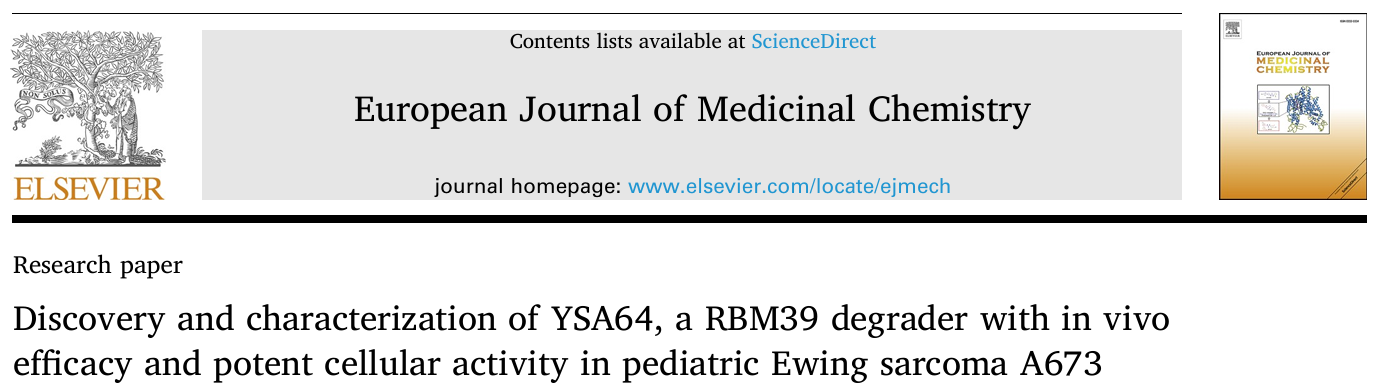
Discovery and characterization of YSA64, a RBM39 degrader with in vivo efficacy and potent cellular activity in pediatric Ewing sarcoma A673
Key Findings
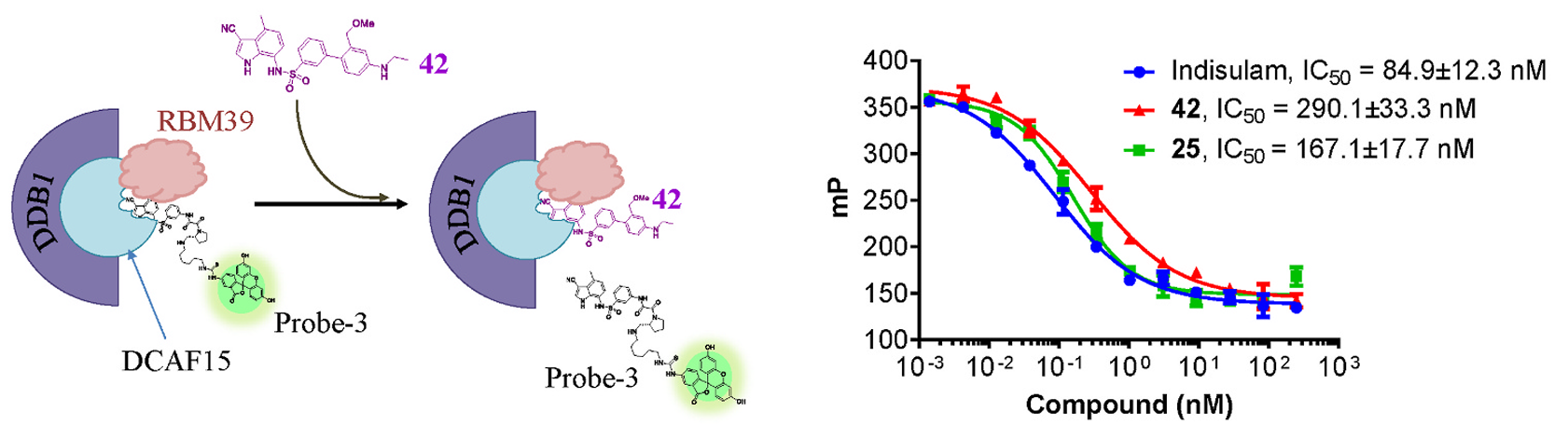
This study describes a novel class of biphenyl-based RBM39 degraders that function as molecular glues, promoting formation of a ternary complex between RBM39 and DCAF15 and inducing selective RBM39 degradation through the Cullin-RING E3 ligase--proteasome pathway. Compound 42 triggered widespread RNA splicing defects and cell-cycle inhibition in HCT-116 and K562 cells, resulting in G2/M arrest without apoptosis. Compound 41 (YSA64) exhibited potent antiproliferative activity in both MV4-11 acute myeloid leukemia cells and A673 Ewing sarcoma cells, demonstrated favorable oral pharmacokinetics, and achieved significant antitumor efficacy in vivo without apparent toxicity.


Cited Product
YHG80601 | Recombinant Human RBM39 Protein, N-His

Product Application
AntibodySystem's Recombinant Human RBM39 Protein (YHG80601) was used for generation of RBM39-specific antibodies. These antibodies were subsequently employed in Western blot analyses to quantify RBM39 degradation following treatment with compounds 41 (YSA64) and 42 in HCT-116, A673, and MV4-11 cells, confirming proteasome-dependent RBM39 degradation induced by the molecular glue mechanism.
5. Journal of Medical Virology (Impact Factor: 4.6)

Title
Evaluation of the protective effect of an RSV Pre-F/Alum + CpG subunit vaccine in BALB/c mice with and without prior RSV exposure
Key Findings
This study evaluated an RSV Pre-F subunit vaccine formulated with Alum and CpG adjuvants in BALB/c mice with or without prior RSV exposure. Previous infection induced sustained post-F-specific and neutralizing antibody responses but was also associated with more pronounced weight loss and lung pathology following reinfection. In RSV-exposed animals, a single vaccine dose markedly boosted antibody responses, while a second dose increased the proportion of pre-F-specific antibodies and further reduced viral load. In RSV-naïve mice, vaccination elicited a Th1-biased immune response and effectively controlled viral replication. The findings underscore the importance of prior RSV exposure history when evaluating vaccine performance.


Cited Products
RVV02817 | Anti-RSV F/Fusion Glycoprotein F0 Antibody (4D7)
RVV02809 | Anti-HRSV-A F/Fusion Glycoprotein F0 Antibody (D25)

Product Application
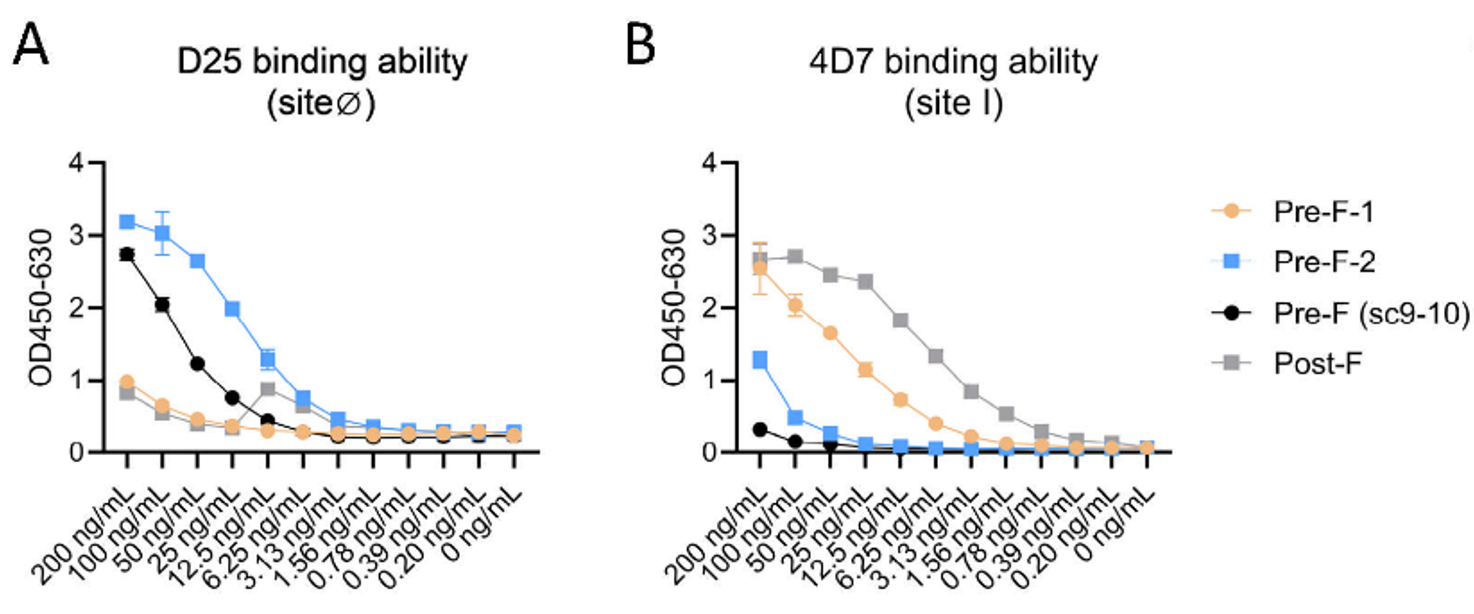
AntibodySystem's Anti-HRSV-A F/Fusion Glycoprotein F0 Antibody (D25) (RVV02809), which recognizes antigenic site Ø, and Anti-RSV F/Fusion Glycoprotein F0 Antibody (4D7) (RVV02817), which targets antigenic site I, were used in indirect ELISA assays to evaluate the conformational integrity and antigenicity of two recombinant pre-fusion RSV F antigens (Pre-F-1 and Pre-F-2). The results showed stronger D25 binding to Pre-F-2, whereas Pre-F-1 was recognized only by 4D7, providing critical guidance for vaccine antigen selection.
6. bioRxiv

Title
Tau aggregate replication occurs at the pre-synapse of cultured human neurons and increases with application of TNFα
Key Findings
Using human induced pluripotent stem cell-derived glutamatergic neurons, combined with SIMOA, STED super-resolution microscopy, and SynPull technology, the authors demonstrated that chronic TNFα stimulation promotes preferential accumulation of tau aggregates at presynaptic sites. These aggregates were predominantly non-fibrillar and larger than those found in postsynaptic or extrasynaptic regions. Mathematical modeling further revealed that local replication of presynaptic tau aggregates is the dominant mechanism driving aggregate expansion, occurring at rates substantially higher than de novo formation. This work provides the first direct evidence that tau aggregate replication occurs at presynaptic sites and establishes a mechanistic link between inflammation-induced tau pathology and synaptic dysfunction.


Cited Product
RHC82420 | Anti-Human MAPT/Tau/PHF-tau Antibody (MC1)

Product Application
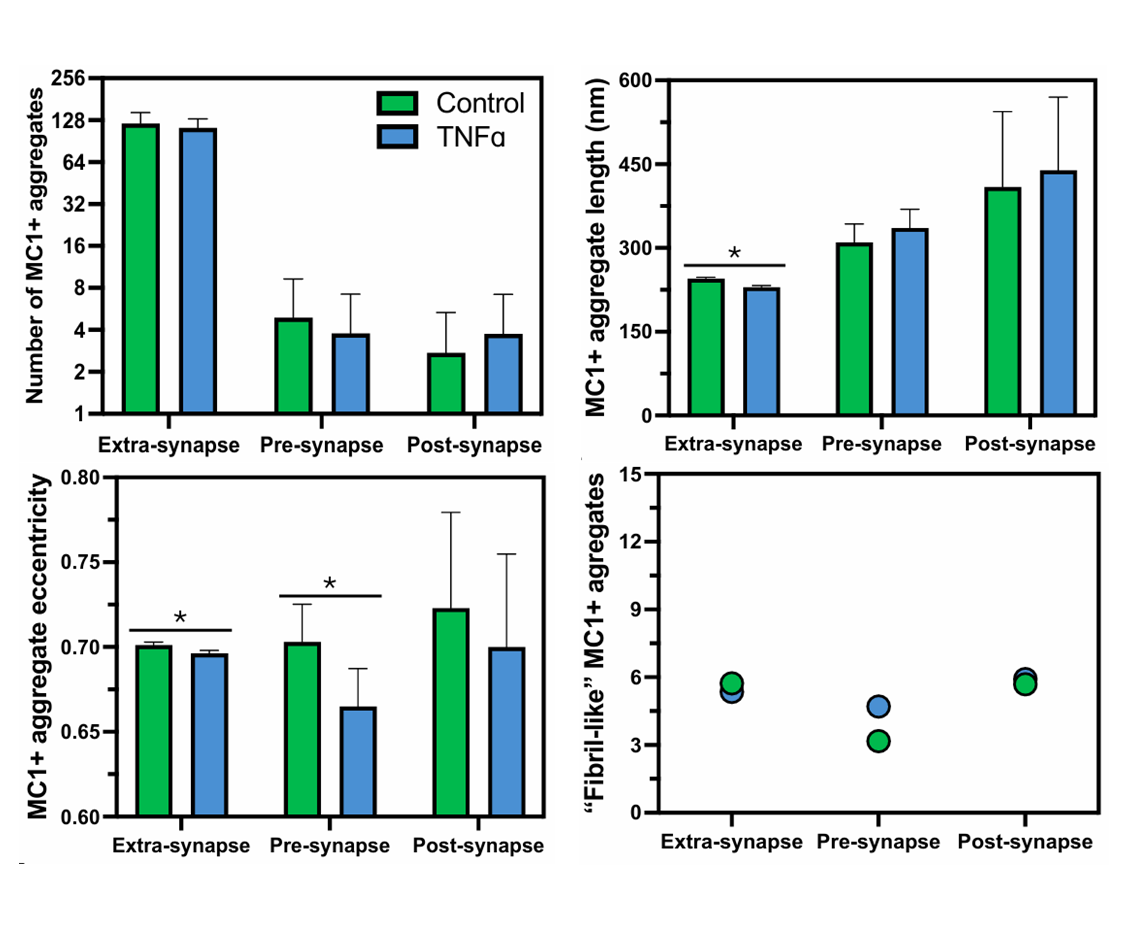
AntibodySystem's Anti-Human MAPT/Tau/PHF-tau Antibody (MC1) (RHC82420) was used for STED immunofluorescence imaging to characterize the localization and morphology of early conformational tau aggregates in human neurons and Alzheimer's disease brain samples. Although TNFα treatment did not alter the total number of MC1-positive aggregates, it significantly affected aggregate morphology and length, supporting the conclusion that chronic inflammatory signaling promotes early tau conformational changes at synaptic sites.
These publications represent a selection of recent studies that have utilized AntibodySystem products to advance discoveries across immunology, oncology, neuroscience, virology, reproductive biology, and translational medicine.
At AntibodySystem, we are committed to providing high-quality research reagents that empower scientific innovation. Our portfolio includes recombinant proteins, flow cytometry antibodies, viral antigens and antibodies, small-molecule antibodies, phospho-specific antibodies, and ELISA kits. These tools support a broad range of applications, including drug target discovery, immunological research, allergy and inflammatory disease studies, virology, and oncology drug development-helping researchers accelerate the translation of scientific insights into meaningful advances.


